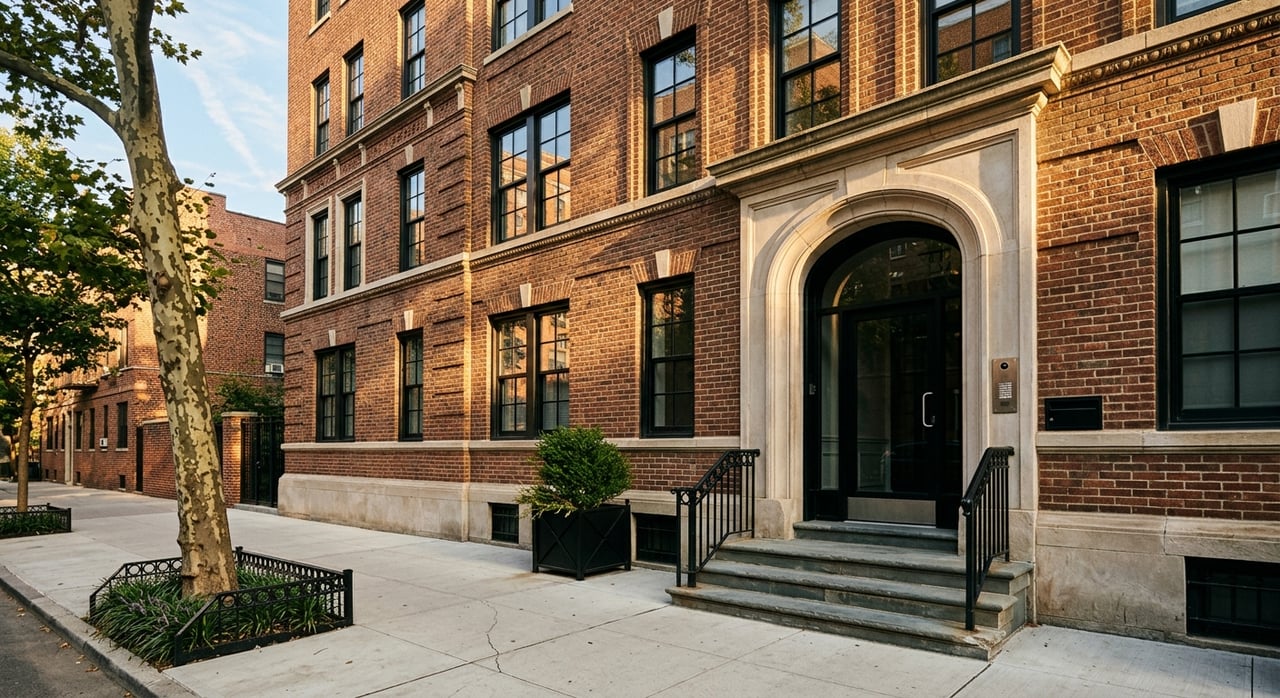
Thinking about buying in Murray Hill and wondering why condo and co-op financing feels so different? You’re not alone. NYC has its own playbook, and Murray Hill’s mix of pre-war co-ops and newer condos means the rules can shift building to building. In this guide, you’ll learn what changes when you finance a condo versus a co-op, how board approvals affect your timeline, what to plan for at closing, and how to position your offer for success. Let’s dive in.
Murray Hill basics: condos vs co-ops
Many Murray Hill buildings are classic elevator co-ops, especially pre-war properties. Newer developments and some conversions are condos. That mix shapes your financing path.
- Condos: You own real property and get a traditional mortgage recorded against your unit.
- Co-ops: You buy shares in a corporation that owns the building and receive a proprietary lease. Your lender issues a share loan secured by your stock and lease, not a deed.
These structures drive differences in down payment expectations, underwriting, approvals, closing costs, and timing.
What changes in financing
Loan type and collateral
- Condo: You obtain a conventional mortgage secured by the unit. It is recorded in the county land records.
- Co-op: You obtain a share loan secured by your stock certificate and proprietary lease. There is no deed recorded in your name.
The result is different handling for title, recording, and certain taxes at closing.
Down payment and reserves
- Condos: Many local lenders expect 10 to 20 percent down in Manhattan when the project and borrower qualify. Some programs can allow lower down payments, but practical availability in NYC depends on project approval and lender overlays.
- Co-ops: Expect 20 to 30 percent down as a common baseline. Some buildings or lenders ask for 30 to 50 percent or more, especially for investors, non-resident buyers, or complex income profiles.
For co-ops, plan for post-closing reserves. Many boards require proof of several months of mortgage and maintenance payments in liquid assets, and some ask for more.
Underwriting and board approval
- Condos: Lenders underwrite you and review the building through a condo questionnaire. They look at owner-occupancy, budget and reserves, insurance, litigation, and dues delinquency. Approval is mostly lender-driven.
- Co-ops: You undergo two approvals. Your lender underwrites you, then the co-op board reviews a detailed package and conducts an interview. Boards can set stricter financial standards than a bank, request added documentation, or decline the purchase.
This extra layer is normal in Murray Hill. A strong, complete board package and clear source-of-funds documentation keep things moving.
Government-backed programs and project eligibility
- Condos: More likely to qualify for FHA, VA, Fannie Mae, or Freddie Mac programs when the project is approved.
- Co-ops: Fewer co-ops align with FHA or VA programs. Many banks still offer co-op share loans, but availability is more limited and building-specific.
If you plan to use a government-backed loan, verify project eligibility early.
Investor and entity purchases
- Condos: Generally more flexible for investors, trusts, and LLCs. Renting is typically allowed with rules that vary by building.
- Co-ops: Boards often restrict investor purchases, subletting, and ownership by LLCs or trusts. If renting is allowed, there may be waiting periods, term limits, and board approvals.
Your intended use matters. If you want future rental flexibility or a pied-a-terre, review building rules before you fall in love with a unit.
Closing costs in NYC: what to expect
Mortgage recording tax and title
- Condos: In New York City, mortgages on condos typically trigger a mortgage recording tax. You also purchase title insurance and pay standard mortgage-related fees.
- Co-ops: Since you are buying shares rather than real property, the mortgage recording tax usually does not apply the same way. You will still have co-op-specific fees.
Building and transfer fees
Both condos and co-ops can involve state and city transfer taxes and the mansion tax at higher price thresholds. Co-ops often add building-specific charges like application fees, move-in fees, and in some cases a flip tax or transfer fee. Exact amounts and who pays can vary by building and deal structure. Your attorney will walk you through the specifics for your purchase.
Timeline: how long does it take?
- Condos: Lender project review and mortgage underwriting often take 30 to 45 days, depending on the building and your file.
- Co-ops: Add time for the board package review and interview. Closings frequently land in the 45 to 90 day range, influenced by the board’s schedule and any additional requests.
If you are timing a lease end or a sale, build in a buffer. A well-prepared application can still take weeks to clear board review.
Monthly costs and cash flow
- Condos: You pay common charges to the association plus real estate taxes, often billed separately. Lenders evaluate both.
- Co-ops: Your monthly maintenance typically includes the building’s underlying mortgage and property taxes. Lenders review maintenance plus your loan payment when assessing affordability.
When you compare two homes, look at the full monthly picture rather than the purchase price alone.
For buyers: how to choose in Murray Hill
Think beyond the rate
Focus on total cash needs, approval risk, and timeline. Condos offer broader financing options and fewer board hurdles, which can appeal if you want speed or are using a specific loan program. Co-ops may have lower prices per square foot in some cases, but they ask for more equity and documentation.
Plan your financial narrative
In a co-op, your story matters. Boards look at income stability, debt levels, reserves, and references. In a condo, the lender review is central, but you still need to show a clean, documentable source of funds and steady income.
Match the building to your goals
- Want flexibility or potential rental income later? A condo’s rules often make that easier.
- Prefer a quiet, stable building culture and plan to stay put? A co-op with clear rules may fit.
For sellers: set up financing success
- If you’re selling a co-op: Be ready with recent board minutes, building financials, house rules, and application requirements. Strong documentation reassures buyers and their lenders and can reduce board questions later.
- If you’re selling a condo: Have the condo questionnaire, insurance details, budget, reserve information, and owner-occupancy stats within reach. Quick answers help lenders complete project reviews faster.
In both cases, clarity on assessments, reserves, and any planned capital projects will smooth negotiations and underwriting.
Investor and pied-a-terre considerations
- Condos: Often easier to finance for investment use, with more lenders willing to underwrite non-owner-occupied loans. Check rental policies, minimum lease terms, and potential caps on rented units.
- Co-ops: Restrictions vary widely. Some boards require a set ownership period before subletting or limit the number of rental years. If you need flexibility, verify policies early and prepare for tighter lending options.
Your document checklist
What every buyer should gather
- Government-issued ID
- Loan application and credit authorization
- Recent pay stubs, W-2s, and tax returns
- Bank and investment statements and proof of funds for down payment and closing
- Gift letter and donor documentation if applicable
- Additional residency or visa documents if you are a non-U.S. citizen
Condo-specific items
- Condo questionnaire or project review package from management
- Bylaws, certificate of occupancy, most recent budget, reserve information, and master insurance declarations
- Details on assessments, pending litigation, owner-occupancy, and commercial space
- Title report and mortgage documents for your loan
Co-op-specific items
- Full board package: application, personal financial statement, tax returns, bank statements, employment verification, and reference letters
- Stock purchase contract, proprietary lease, due bill, and building financials
- House rules, offering plan for newer co-ops, and board interview schedule
- Evidence of required post-closing reserves
Common pitfalls to avoid
- Waiting to check building rules until after offer acceptance
- Assuming national program minimums apply without project approval
- Underestimating co-op reserve and documentation requirements
- Overlooking the impact of mortgage recording tax on condos
- Tight timelines that leave no room for board review or additional lender conditions
Which path fits your plan?
If you want wider financing options, faster approvals, or future rental flexibility, a condo may be the better fit. If you value building stability and are comfortable with higher equity and detailed board review, a co-op can work well. In Murray Hill, you can find strong options in both categories, so let your goals, cash position, and timeline lead the decision.
Ready to talk strategy, compare specific buildings, and map out your path to closing? Reach out to Joe Gonzalez to align your financing, timeline, and search in Murray Hill.
FAQs
What changes between condo and co-op financing in Murray Hill?
- Condos use traditional mortgages with recording and title insurance; co-ops use share loans secured by stock and a lease, with a board approval layer that can affect timing and requirements.
How much down payment do I need for a Murray Hill condo or co-op?
- Condos often require 10 to 20 percent down locally when the project qualifies; co-ops commonly ask for 20 to 30 percent, with some buildings or lenders requiring more based on buyer profile.
How does the NYC mortgage recording tax affect condos and co-ops?
- Condo mortgages typically trigger mortgage recording tax and title insurance; co-op share loans usually avoid the recording tax but include building fees and transfer charges that vary by property.
Can I use FHA or VA loans in Murray Hill?
- Possibly for condos if the building is approved for the program; co-ops have more limited access to FHA or VA options, and availability depends on project-level acceptance.
Why do co-op purchases take longer than condos in Murray Hill?
- Co-op sales include a board package and interview in addition to lender underwriting, and board review and scheduling can add weeks to closing.