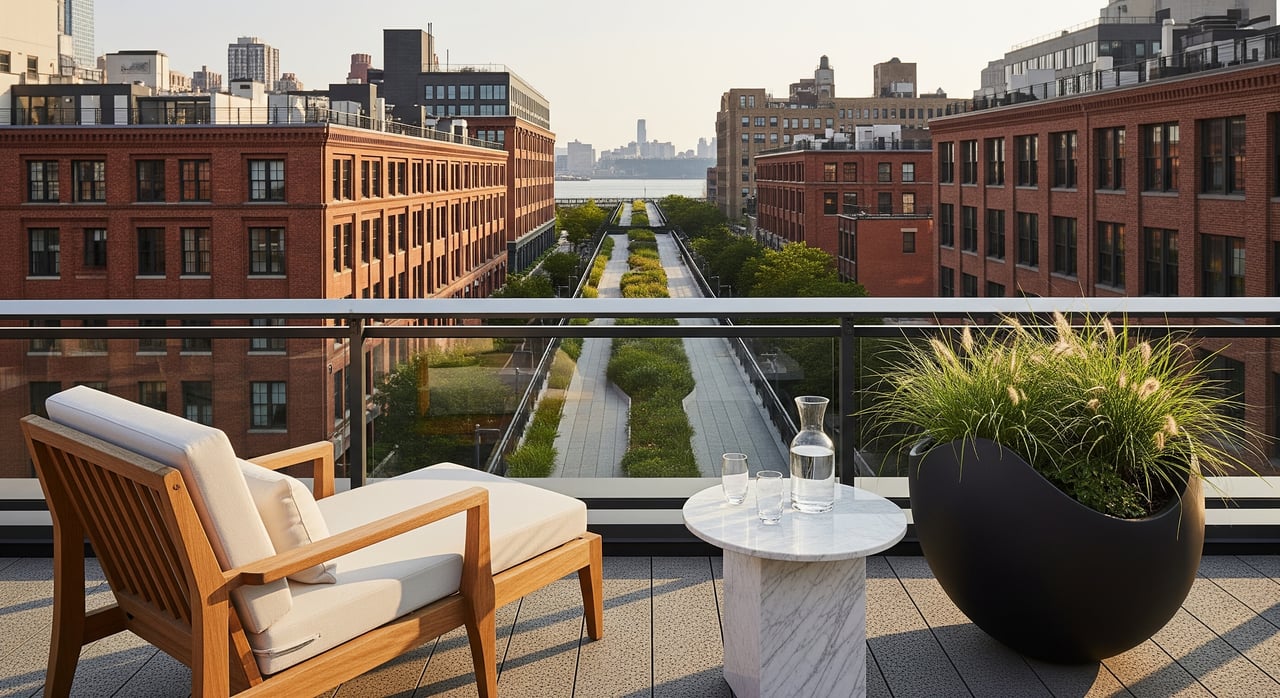
Imagine stepping out for coffee and starting your day on an elevated garden with city views. That is the draw of living near the High Line in Chelsea. You get art, architecture, dining, and waterfront access in one compact, walkable zone. This guide gives you a clear look at what everyday life feels like, the housing styles you will find, the trade-offs to weigh, and how to decide if this micro-neighborhood fits your lifestyle. Let’s dive in.
Why the High Line area draws you
Living here centers your life around a celebrated public park and a cultural district. The High Line’s elevated design creates one-of-a-kind views, landscaped paths, and steady foot traffic that shapes the neighborhood’s rhythm. You also get quick access to galleries, the Whitney, and Chelsea Market, plus the Hudson River waterfront.
The corridor at a glance
- The High Line runs from Gansevoort Street to around 30th Street for about 1.45 miles along Manhattan’s West Side. Nearby homes cluster between roughly 9th and 12th Avenues, on blocks just east and west of the park. For official details and programs, check Friends of the High Line.
- West Chelsea, between about 18th and 28th Streets near 10th–11th Avenues, is known for galleries and loft conversions.
- South Chelsea near Gansevoort and 14th Street borders the Meatpacking District, with more nightlife and hotel activity.
- Near 30th Street, you will find newer luxury development and proximity to Hudson Yards.
Daily rhythm on and off the park
The High Line is a year-round magnet. Visitor numbers reach into the millions annually, according to reports from Friends of the High Line. That energy creates a predictable weekly flow.
Weekdays
- Mornings: Residents stroll the park, grab coffee, and commute. Expect service and delivery activity on nearby streets.
- Afternoons: Lunch crowds and tourists increase, especially around Chelsea Market and popular access points.
- Evenings: On Thursdays, gallery openings add buzz. Some blocks quiet down on non-opening nights, while the southern edge near 14th Street stays lively later.
Weekends and seasons
- Weekends: Heavier visitor traffic, longer lines at popular food spots, and fuller sidewalks. The area can feel more like a destination than a residential enclave near the southern entrances.
- Spring through fall: Peak foot traffic, outdoor seating, and frequent programming on the High Line.
- Winter: Calmer sidewalks and a quieter feel, aside from holiday events.
Housing styles and streets
Housing near the High Line blends old and new. You can choose between authentic industrial character and sleek modern living.
Loft conversions east of the park
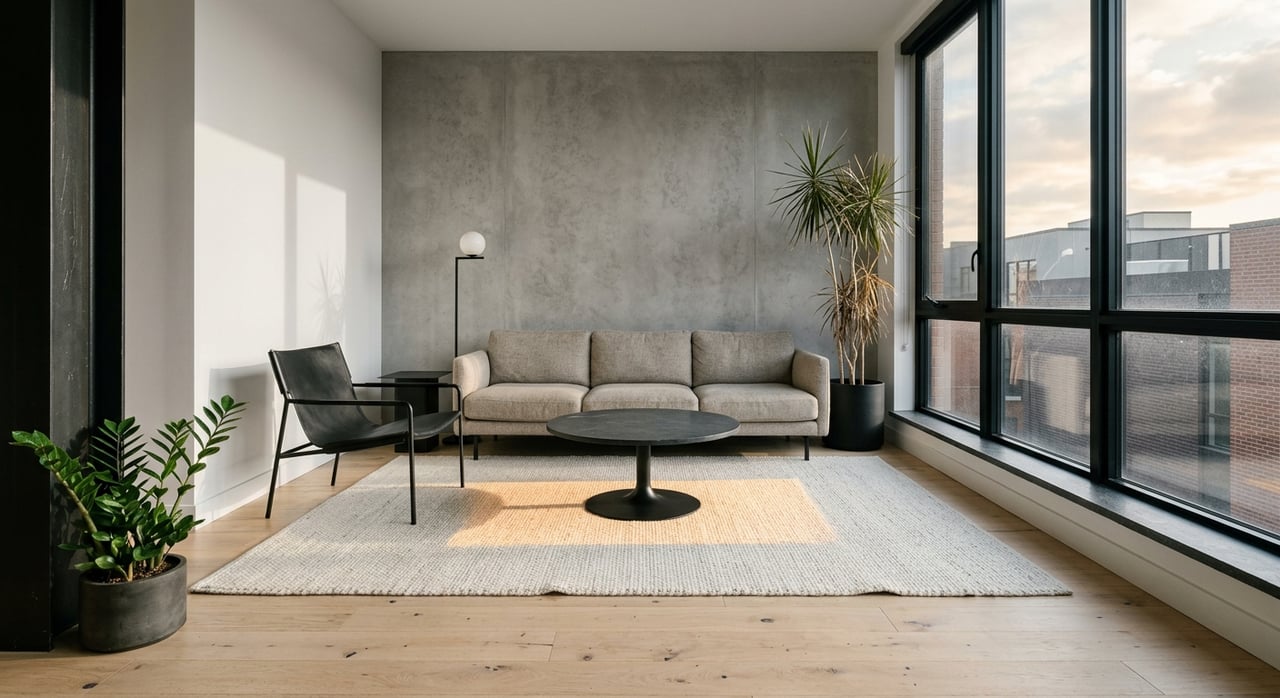
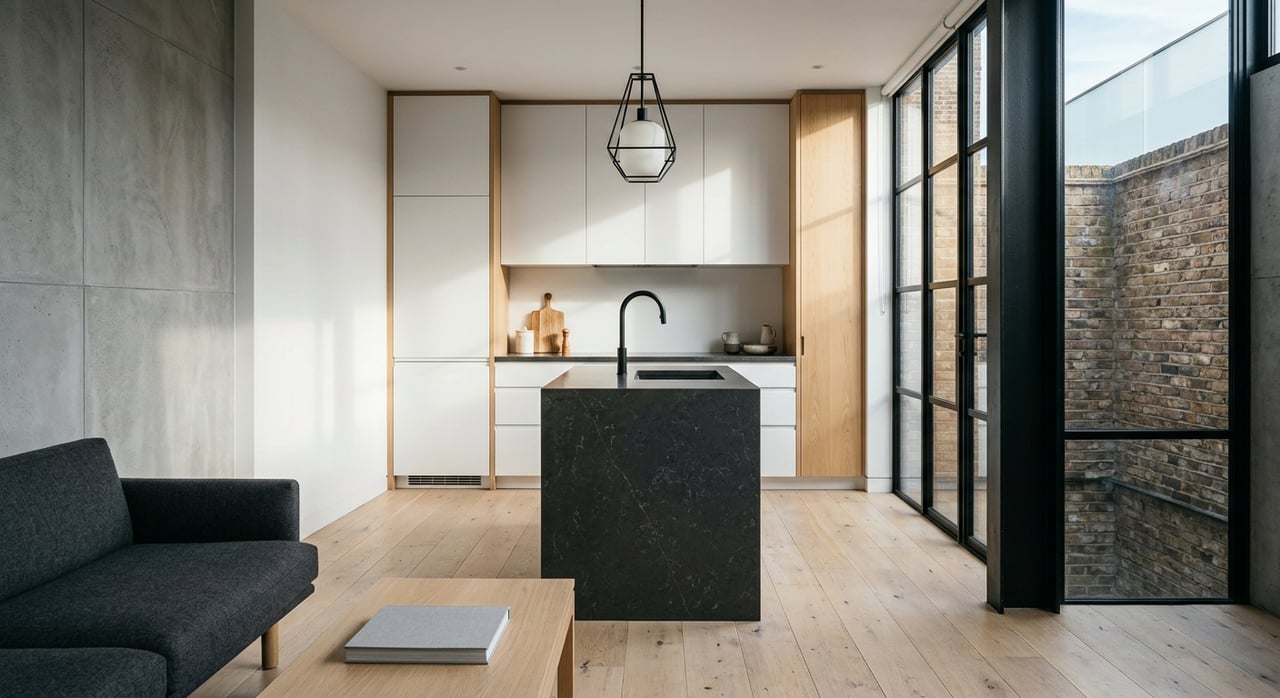
Many former factories and warehouses have been converted into residences and galleries, especially just east of 10th Avenue. Expect exposed brick, high ceilings, and flexible layouts. These buildings often put you close to the gallery scene while keeping a residential feel a block or two from the heaviest park traffic.
Modern towers and Hudson Yards edge
Newer glass condominiums and mixed-use towers cluster near 10th–11th Avenues and toward 30th Street. These buildings often feature premium amenities and market High Line or Hudson River views. Developers frequently highlight proximity to the park as a value-add.
Brownstones and walk-ups
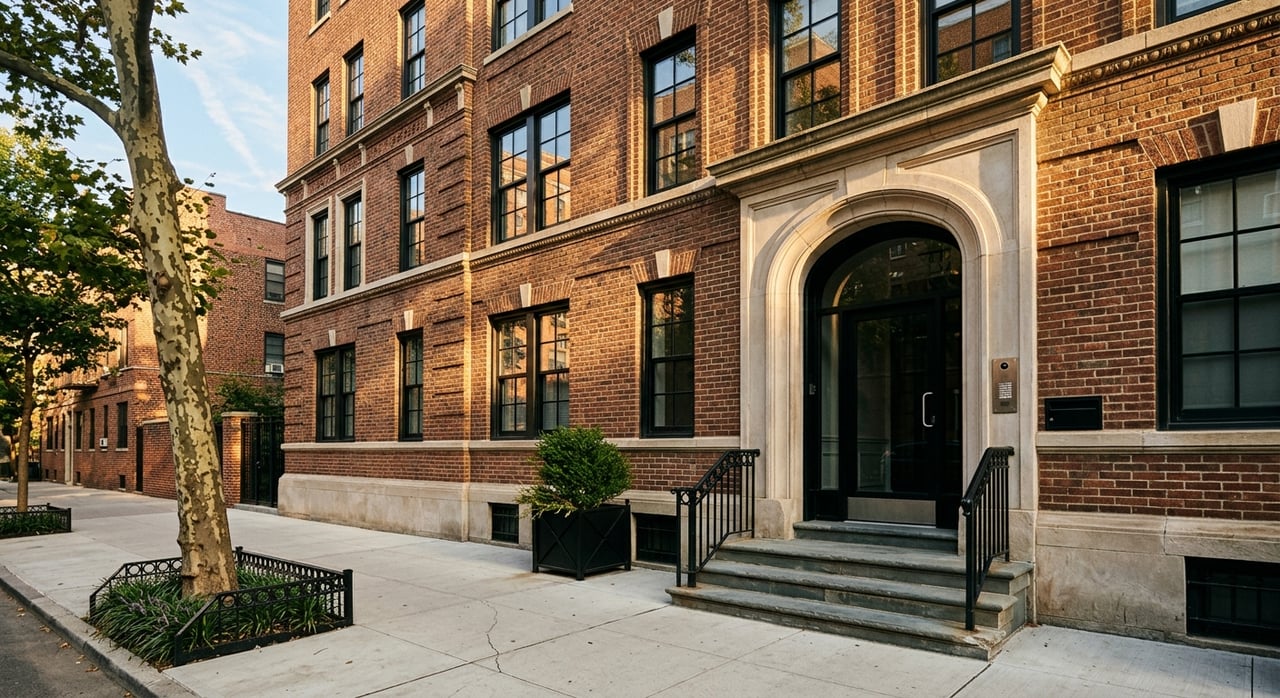
You will also see cast-iron and brick rowhouses and pre-war walk-ups, mainly south and east of the High Line. These homes can offer more classic Chelsea character and relatively quieter blocks, with different trade-offs on amenities and maintenance.
Living trade-offs to weigh
Living by the High Line is about balancing access and privacy. A clear-eyed look at pros and cons helps you choose the right block and building.
Noise, crowds, and privacy
- Units facing the park get steady foot traffic and more nighttime activity, especially near busy entrances. Privacy can be a concern where terraces and windows are visible from the walkway.
- One to two blocks east often feels more residential while keeping your walk to the park under five minutes.
- If you are sensitive to noise, plan visits at different times of day and on weekends to gauge your comfort level.
Light, views, and shadows
- Elevated landscaping and adjacent taller buildings can affect sunlight and views. Orientation matters.
- Some newer façades rise close to the park, which can change light patterns on lower floors and sidewalks.
- If natural light is a priority, test the unit morning and late afternoon to see real conditions.
Deliveries, parking, and transit
- Street parking is very limited. Many residents rely on public transit, bike-share, or garage parking.
- Narrow streets and loading activity can cause congestion, especially near Chelsea Market and 14th Street.
- Buildings with dedicated loading zones and clear package procedures can make daily life smoother.
Real estate considerations
Demand near an amenity like the High Line typically adds a premium to nearby homes and rentals. The market is also segmented.
- Buyers often target condos in newer towers for views and amenities, or loft conversions for authentic character.
- Renters commonly look for one- and two-bedroom units in mid-rises and new luxury buildings. Short walks to culture and dining are key selling points.
- New glass towers tend to command higher prices, while older co-ops and walk-ups can be more attainable, with different trade-offs on services and maintenance.
- In older buildings, review HOA or co-op financials, reserves, and any planned façade or roof work. Rapid neighborhood development can coincide with higher assessments for upgrades.
- If you are renting, understand building rules on short-term rentals and the current city regulations.
Culture, dining, and recreation
You will live steps from destination-worthy art, food, and waterfront parks.
Galleries and openings
Chelsea’s gallery district, concentrated between roughly 18th–28th Streets and 10th–11th Avenues, hosts a large number of contemporary spaces. Traditional opening nights often land on Thursdays, creating a social but low-key art scene. At the southern end, the Whitney Museum of American Art anchors the cultural lineup and adds seasonal programming.
Food halls and dining
The area’s culinary heart is Chelsea Market, a landmark indoor food hall in the former Nabisco factory near Gansevoort and 15th Street. Along 9th and 10th Avenues, you will find a steady run of restaurants and cafés, some with terraces or vantage points that look onto the park.
Waterfront and sports
For green space beyond the High Line, the Hudson River is your backyard. Hudson River Park and Chelsea Waterside Park offer lawns, sports fields, piers, and running and cycling paths. The Chelsea Piers complex provides extensive indoor sports and recreation programming.
Community and planning resources
If you care about how the neighborhood evolves, it helps to know where to look.
- For hours, visitor data, and program calendars, use Friends of the High Line.
- For community board meetings, zoning notices, and local planning updates, follow Manhattan Community Board 4.
- For zoning maps and city planning reports, consult the NYC Department of City Planning.
Is it right for you? Quick checklist
- You want daily access to a signature park and waterfront recreation.
- You value art, design, galleries, and a walkable dining scene.
- You can accept weekend crowds in exchange for culture and convenience.
- You are comfortable trading street parking for transit, bike-share, or garages.
- You plan to assess light, privacy, and noise by viewing units at multiple times of day.
Next steps
If the High Line corridor fits your lifestyle, your next move is finding the right building and stack. A thoughtful search will weigh orientation, noise, building operations, and long-term value. If you want help narrowing options and touring at the right times, reach out. You will get local insight, live MLS access, and a streamlined plan from a broker who knows Chelsea block by block.
Ready to explore listings near the High Line? Connect with Joe Gonzalez for personalized guidance and on-the-ground tours.
FAQs
How crowded is it to live right by the High Line?
- Visitor volumes are high year-round, with peaks on weekends and during special programs; check Friends of the High Line for current events and planning your visits.
Do homes near the High Line sell or rent for more?
- Proximity to the park often adds a premium and draws investment, with newer towers typically commanding higher prices while older buildings can offer relative value, based on local analyses cited in planning reports.
Which nearby blocks tend to feel quieter?
- Buildings one to two blocks east of the park often balance quick access with more residential privacy compared to units facing the walkway, especially near busy entrances.
What rules on the High Line affect daily life?
- The park prohibits bicycles and scooters and has specific policies for pets and permitted activities, which helps manage noise and congestion; see official park info for details and hours.
Where else can I find green space near Chelsea’s High Line?
- The Hudson River waterfront offers lawns, sports fields, and paths at Hudson River Park, plus nearby Chelsea Waterside Park.
How can I track development and community discussions around the High Line?
- Follow meeting calendars and notices from Manhattan Community Board 4 and zoning resources via the NYC Department of City Planning.