Picture this: you step out for coffee, pass a row of gallery entrances, loop through a park built above the city, and end the evening a few blocks from home after seeing new work you did not plan to discover. That is part of the draw of living near Chelsea’s Gallery District. If you are wondering what daily life here actually feels like, this guide will walk you through the neighborhood rhythm, home styles, price expectations, and practical tradeoffs so you can decide whether the area fits your lifestyle. Let’s dive in.
Where Chelsea’s Gallery District Begins
Chelsea’s arts identity is especially concentrated in West Chelsea. The gallery district runs along the corridor from 19th to 28th Streets, close to the High Line and within a stretch that also connects you to destinations like Chelsea Market, the Whitney Museum, Hudson Yards, and the West Chelsea Historic District.
That mix gives the area a very specific character. West Chelsea was once an industrial neighborhood, and many garages, factories, and warehouses were later converted into gallery spaces. Today, it remains a major center for galleries and art-related businesses, and that creative history still shapes how the neighborhood looks and feels.
What Everyday Life Feels Like
Living near the art does not mean your day revolves around special occasions. In this part of Chelsea, art can simply become part of your normal routine. You can run errands, grab food, meet friends, and fit in a walk without needing to leave the neighborhood.
Chelsea Market helps anchor that day-to-day convenience. Its concourse is open from 7 a.m. to 10 p.m., and it brings together breakfast options, coffee, food vendors, rotating events, and arts and culture activity in one place. For many residents, that means mornings and evenings can feel easy and flexible.
The High Line adds another layer to daily life. It runs from Gansevoort through West Chelsea to 34th Street and is built for walking through gardens, viewing art, catching performances, and meeting up with friends or neighbors. High Line Art commissions more than 30 projects each year, so even a familiar route can offer something new.
If you like a neighborhood where you can walk first and plan second, this area stands out. An after-work gallery stop, dinner nearby, and a quick High Line loop can feel less like an event and more like a habit.
Food, Coffee, and Simple Errands
One of the biggest strengths of this part of Chelsea is how easy it is to stack small daily routines together. You are not choosing between culture and convenience. In many cases, they sit on the same few blocks.
For quick food and coffee, nearby options named in the local guides include Maman near the southern end of the district, Shake Shack under the park, and Daily Provisions at Manhattan West. Chelsea Market broadens that mix even more, especially if you want flexibility throughout the day.
That matters if your schedule changes often. Whether you work in an office, split time between home and the city, or simply want a neighborhood that supports a more spontaneous routine, Chelsea’s Gallery District makes that kind of movement easier.
Homes Near the Galleries
If you are picturing one single housing type, Chelsea will probably surprise you. The neighborhood offers a wide range of residential options, and the housing stock changes noticeably from block to block. That variety is one reason the area attracts buyers and renters with very different goals.
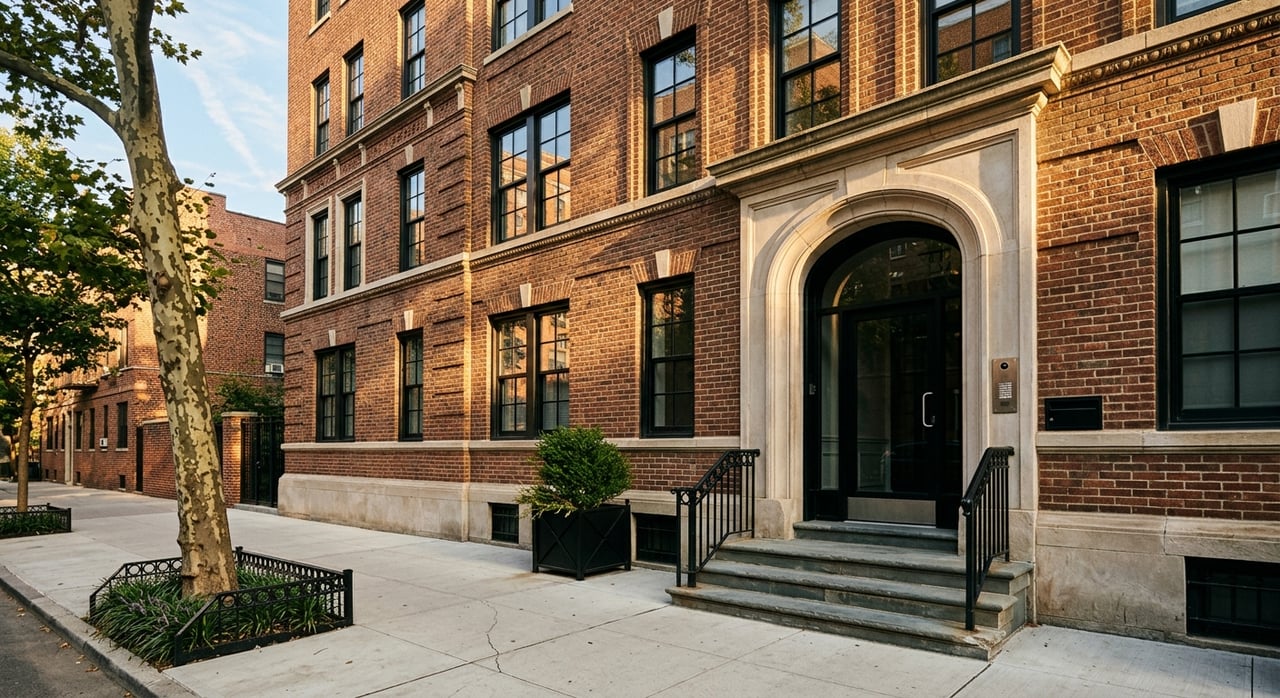
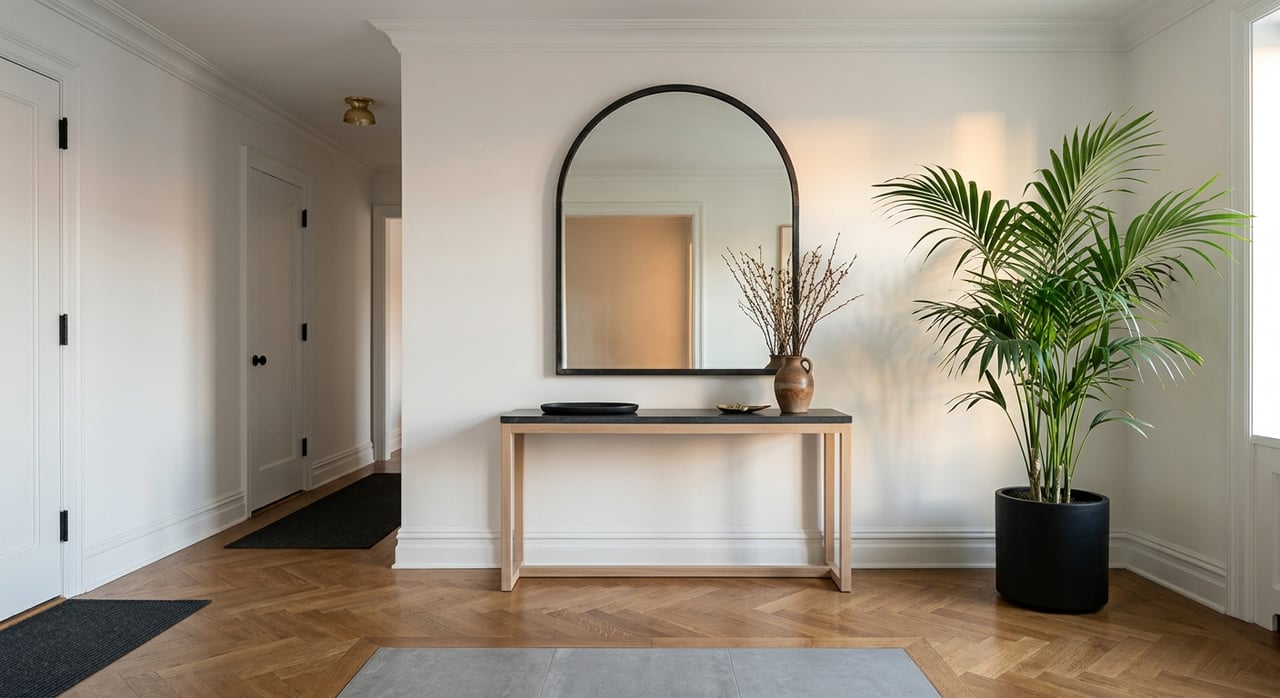
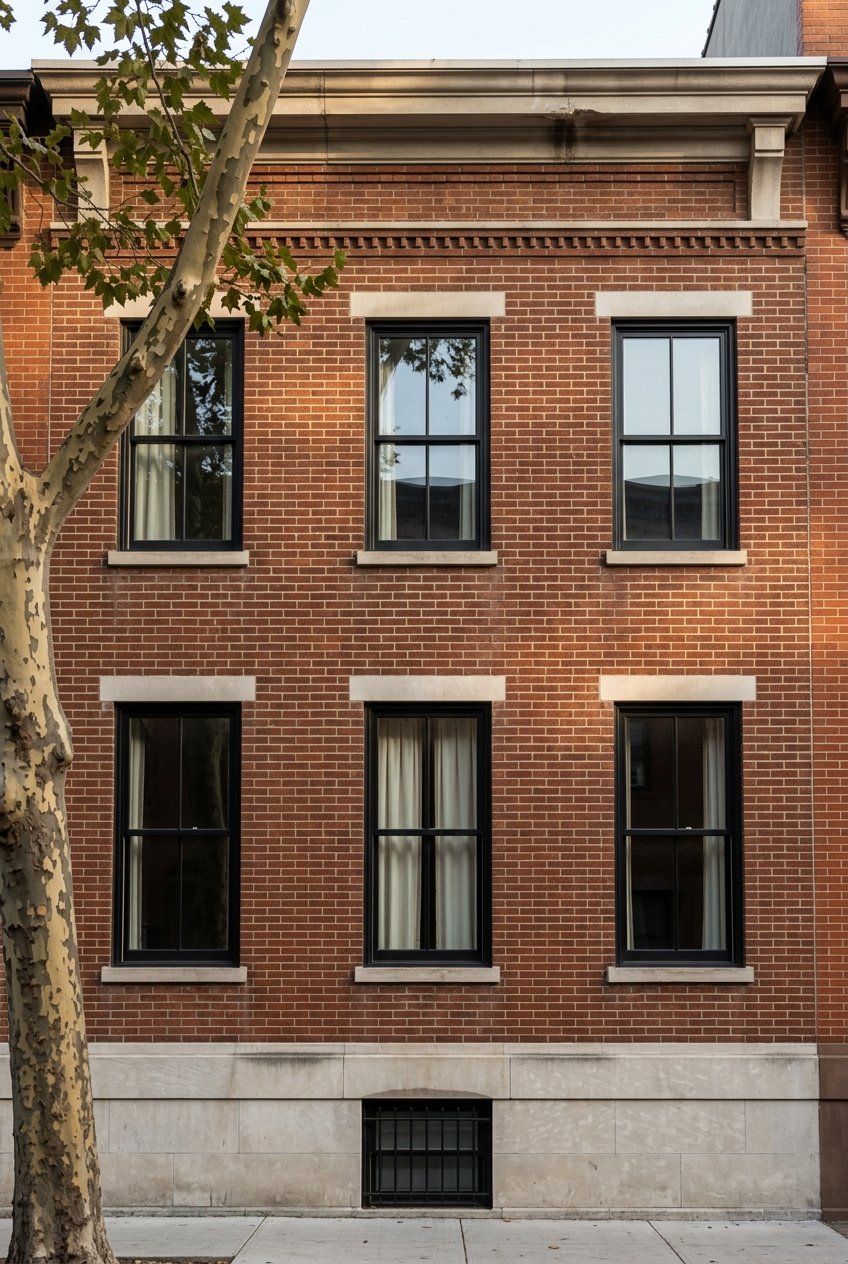
Much of Chelsea’s traditional housing stock consists of prewar co-ops. You will also find townhouses lining side streets, which can create a quieter residential feel just off the busier corridors. Along the High Line, newer ultra-luxury condos have added a more contemporary layer to the neighborhood.
A few current building examples show that range clearly. One High Line is a 2022 new-development condo, Chelsea Mercantile is a 1910 condo conversion, and The Caledonia dates to 2006. Together, they reflect how old and new architecture coexist here.
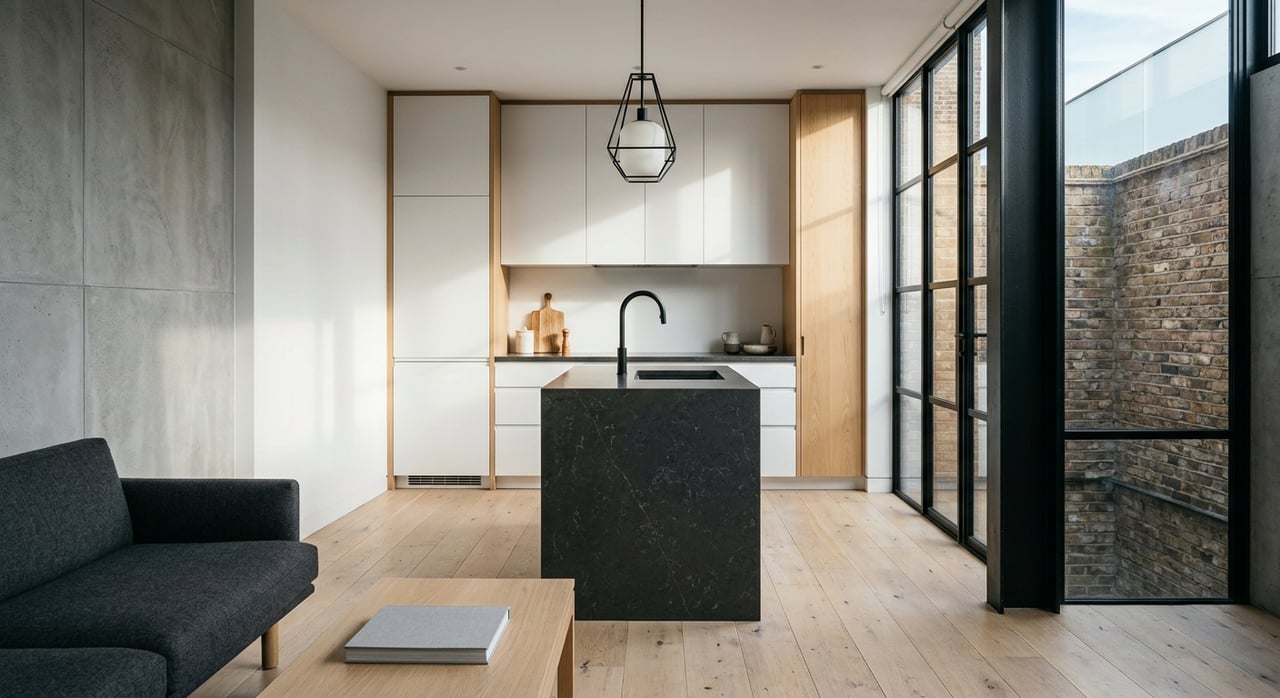
The neighborhood’s industrial past still influences the residential appeal too. Older warehouse and factory buildings were known for wide, open spaces, tall ceilings, and large windows. That loft-like quality helped galleries move in, and it still shapes what many buyers and renters find appealing about West Chelsea homes today.
The Block-by-Block Feel
Chelsea is not a one-note neighborhood. Some blocks feel polished and highly contemporary, especially closer to newer development near the High Line. Others feel more classic and lived-in, with prewar buildings and townhouses creating a different pace.
That is important when you are home searching here. Two properties with the same bedroom count can offer very different experiences depending on the building type, the exact block, and how close you want to be to the busiest cultural corridors.
If you love the energy of the Gallery District, you may want to be close to the action. If you prefer a little more separation, side streets can offer a calmer residential feel while still keeping the neighborhood’s amenities within reach.
Chelsea Pricing and What to Expect
Chelsea commands a wide pricing range, and the Gallery District is part of that story. As of the latest StreetEasy snapshot in the research provided, the neighborhood’s median sale price is $1.3 million and the median base rent is $5,500. Those figures give you a starting point, but they do not tell the whole story.
Actual pricing varies a lot by building type, condition, and location. The active listing sample cited in the research ranges from a $695,000 one-bedroom to a $27.5 million penthouse. Rental examples range from about $4,500 for a studio to roughly $9,500 for a two-bedroom and $19,424 for a larger three-bedroom.
That spread is a good reminder that Chelsea serves multiple buyer and renter profiles at once. You can find entry points for some one-bedroom shoppers, but you will also see trophy properties and luxury inventory that sit in a very different category.
The Main Tradeoff to Know
The biggest practical tradeoff is geography. Chelsea is a wide neighborhood, and even though transit is strong near the High Line and along the avenue corridors, some locations can still mean a longer walk to the subway.
That does not make the neighborhood inconvenient. It just means your exact address matters. If transit access is high on your list, it is worth looking closely at how your building connects to nearby A, C, L, and 7 options and how much walking feels comfortable for your routine.
For many people, the tradeoff is worth it. The combination of art, public space, food options, and varied housing can make a slightly longer walk feel like part of the neighborhood experience rather than a downside.
Life Beyond the Gallery Scene
One of the most useful things to know about this area is that it works as a real residential neighborhood, not just a destination. The galleries may define the identity, but they do not limit the lifestyle. Day-to-day living here includes parks, recreation, and spaces that support a full weekly routine.
Chelsea Park, located at 9th and 10th Avenues and West 27th and 28th Streets, remains one of the most widely used parks in lower Manhattan. That kind of steady local use says a lot about how residents actually engage with the neighborhood.
The Chelsea Recreation Center adds another practical layer. Located on West 25th Street between 9th and 10th Avenues, it offers a pool, gymnasium, dance studio, arts and crafts room, and classes that include gymnastics, ballet, and yoga. For residents, that can make the neighborhood feel more complete and more livable year-round.
Who This Area Fits Best
Chelsea Gallery District living often appeals to people who want culture woven into everyday life, not separated from it. If you value walkability, architecture, creative energy, and the ability to move between coffee, errands, green space, and dinner without much planning, this part of Chelsea can check a lot of boxes.
It can also work well if you are deciding between different home styles. Prewar co-ops, loft-like conversions, townhouses, and newer condos all exist within the broader Chelsea landscape, which gives you more ways to match your home search to your budget and priorities.
At the same time, this is a neighborhood where details matter. Building type, exact block, transit distance, and your tolerance for visitor activity can all shape whether a specific address feels right for you.
How to Approach a Search Here
If you are thinking about buying or renting near Chelsea’s Gallery District, it helps to narrow your search around lifestyle first. Start with the rhythm you want your week to have. Then match that to the right block and building type.
A smart search usually includes:
- Deciding how close you want to be to the High Line and gallery corridor
- Comparing prewar co-ops, condo conversions, townhouses, and newer condos
- Setting a realistic budget based on current Chelsea pricing
- Factoring in your preferred subway access and walking tolerance
- Thinking about whether you want a quieter side street or a more active location
That kind of clarity can save time quickly. In a neighborhood with this much variety, the best fit is often less about the zip code and more about how your building and block support your daily life.
Chelsea’s Gallery District offers something rare in Manhattan: a neighborhood where visual culture is part of the backdrop, but everyday living still comes first. If you want help narrowing the right Chelsea block, building type, or price point for your next move, Joe Gonzalez can help you search with a clear local strategy.
FAQs
What is the Chelsea Gallery District in Manhattan?
- The Chelsea Gallery District is the concentration of galleries in West Chelsea, generally along the 19th to 28th Street corridor near the High Line.
What is daily life like near Chelsea’s galleries?
- Daily life can be very walkable, with easy access to coffee, food, galleries, the High Line, and nearby neighborhood amenities like Chelsea Market.
What types of homes are common near the Chelsea Gallery District?
- Common home types include prewar co-ops, townhouses, condo conversions, loft-like spaces, and newer luxury condos, especially near the High Line.
What are home prices like in Chelsea, NYC?
- Based on the research provided, Chelsea’s median sale price is $1.3 million and the median base rent is $5,500, though actual prices vary widely by block and building.
Is Chelsea’s Gallery District a good fit for full-time living?
- For many residents, yes. The area offers not just galleries but also parks, recreation options, food destinations, and housing choices that support everyday residential life.