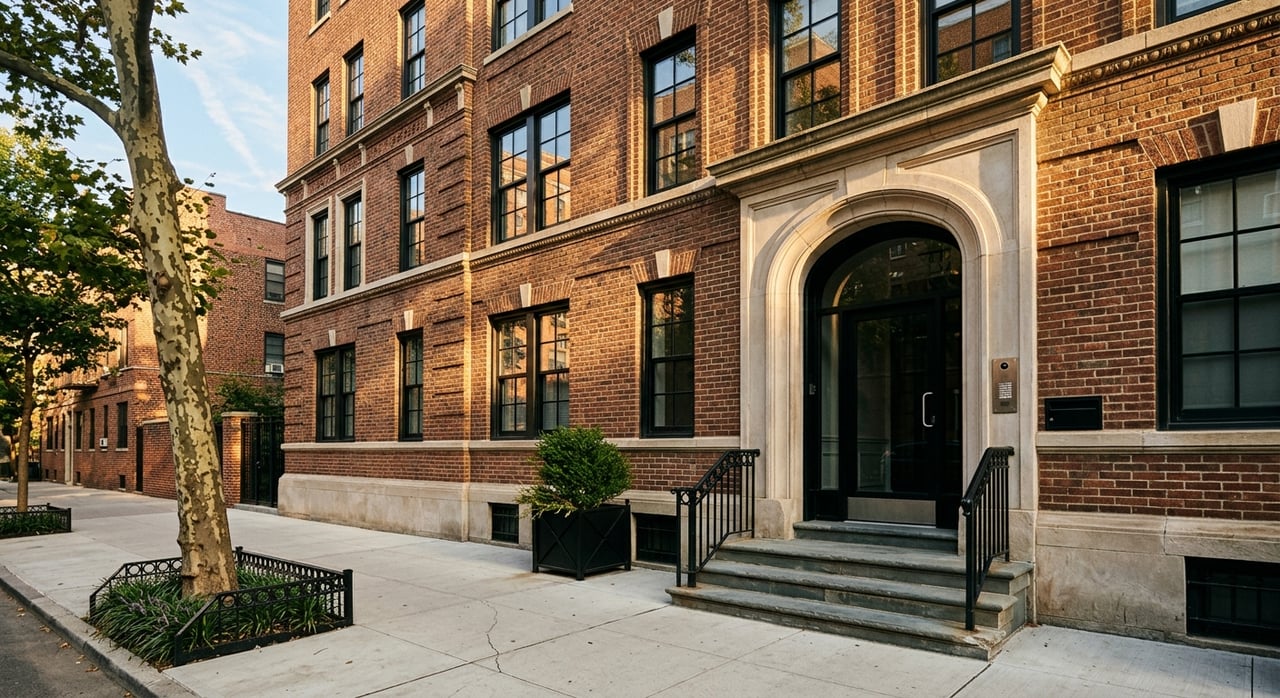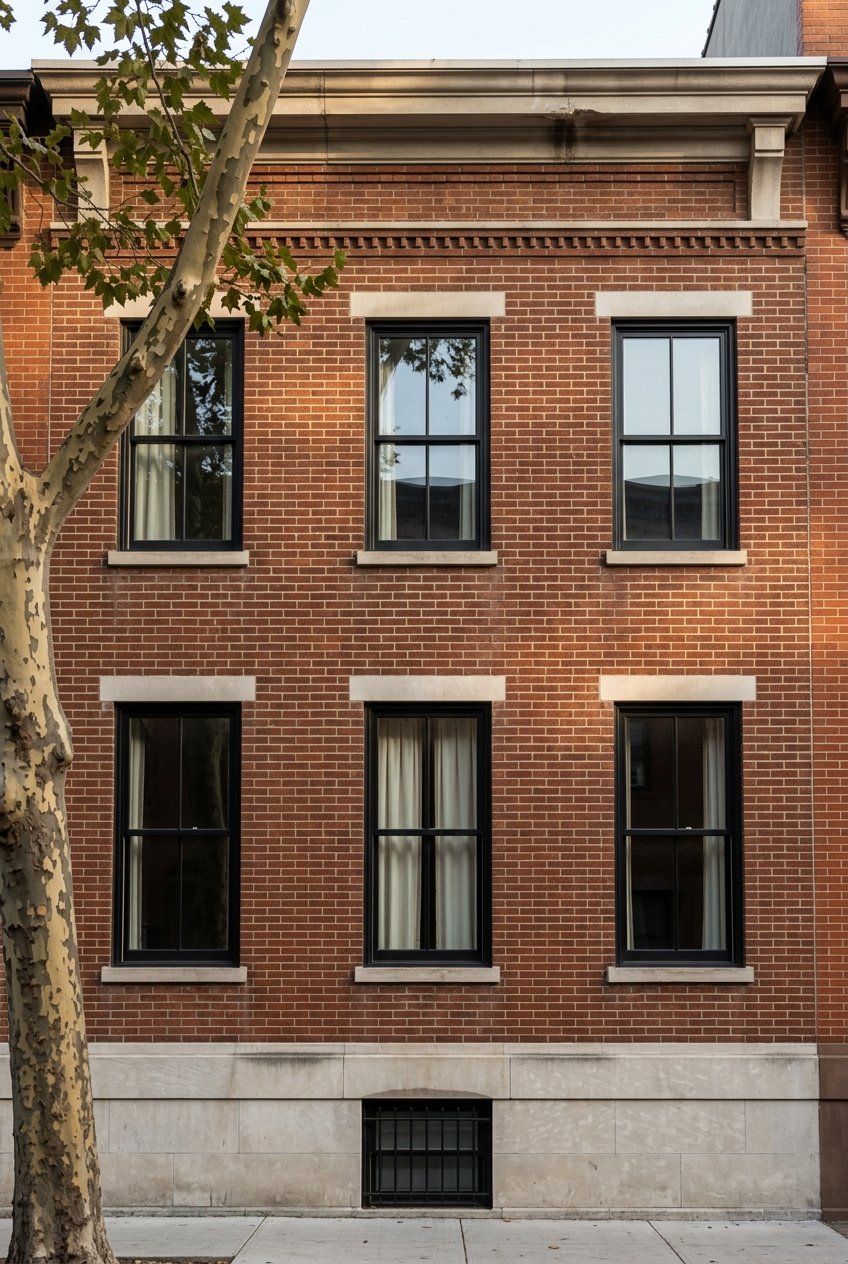
Selling on the Upper East Side can look simple from the outside, but the details matter. A co-op on one block can behave very differently from a condo a few avenues away, and broad neighborhood stats do not always tell you what your home is worth. If you are interviewing agents, the right questions can help you spot who really understands your building, your buyer pool, and your pricing strategy. Let’s dive in.
Why the Right Questions Matter
The Upper East Side is not one single market. According to StreetEasy’s Upper East Side neighborhood data, pricing and housing stock can vary meaningfully across the area, with stately co-ops and newer condos concentrated more heavily west of Lexington and Park, and more moderate pricing farther east.
That matters when you hire a listing agent. You want someone who can talk about your specific micro-market, not just repeat one neighborhood-wide median price and call it a day.
Ask About Upper East Side Micro-Markets
A strong first question is simple: How do you break the Upper East Side into submarkets? If an agent cannot explain the difference between your immediate area, building type, and buyer pool, that is a red flag.
The neighborhood is broad, stretching from Central Park to the East River, with transit, museums, boutiques, and park access all shaping how homes are positioned to buyers, as noted in Douglas Elliman’s Upper East Side guide. Your agent should be able to explain how those location factors affect demand for your specific home.
You can also ask:
- Which recent sales do you consider most relevant to my block?
- Do you mainly sell co-ops, condos, or townhouses here?
- How does my part of the Upper East Side compare to nearby pockets?
Ask How They Build a Pricing Strategy
Pricing is one of the most important parts of your sale. It is also where vague answers can cost you time and leverage.
Recent Upper East Side numbers vary by source. StreetEasy shows a $1.2M median sale and 62 days on market, while Realtor.com’s neighborhood overview reports a $1.65M median listing price, 91 days on market, and homes selling about 2.64% below asking on average in February 2026. That spread is exactly why your agent should explain which data they are using, what time period it covers, and how it applies to your property type.
Ask direct questions like:
- What comparable sales would you use for my home, and why?
- How much weight do you give same-building sales versus nearby sales?
- How do you adjust for renovation level, layout, floor, views, and outdoor space?
- How do monthly maintenance or common charges affect pricing?
A good answer should feel specific. You want to hear how the agent thinks, not just the number they want to put on the listing agreement.
Ask What Happens If the Launch Is Quiet
Even a well-prepared listing may need an adjustment. In a market that Realtor.com describes as a buyer’s market, your agent should have a clear plan for the first few weeks.
The best agents do not just say, “We’ll see what happens.” They should tell you what feedback they track, how quickly they evaluate showing activity, and what would trigger a change in price, positioning, or marketing.
Helpful questions include:
- What is your pricing strategy if the first two weeks are slow?
- How do you decide whether to reduce price or change marketing?
- What signs tell you the issue is price versus presentation?
Ask How They Will Market Your Home
On the Upper East Side, marketing should match the home and the likely buyer. The neighborhood offers access to Central Park, Museum Mile, Madison Avenue retail, the East River Greenway, and the Second Avenue subway, according to Douglas Elliman’s local guide. But not every feature matters equally for every listing.
A smart listing agent should be able to explain the story they plan to tell. That story should connect your home’s layout, light, condition, and building type with the lifestyle features most relevant to likely buyers.
Ask questions such as:
- What will be the main marketing angles for my property?
- Which neighborhood features will you emphasize, and why?
- Will you use professional photography, floor plans, staging, broker opens, or open houses?
- How will you market the property online and to other agents?
You are looking for a strategy, not a generic checklist.
Ask How They Keep Marketing Accurate
This is especially important for co-ops, condos, sponsor units, and newer or converted buildings. The New York Attorney General’s consumer guidance on buying a co-op or condo warns buyers not to rely on brochures, renderings, or verbal statements about amenities that are not clearly promised in the offering plan.
That means your listing agent should take accuracy seriously from day one. Overstating building features, services, or unit details can create problems later.
Ask:
- How do you make sure the listing description does not overpromise?
- Do you review building documents before marketing the home?
- How do you confirm that amenities and features are described accurately?
Ask About Building Documents and Legal Readiness
Upper East Side sales often involve more than preparing the apartment. They also involve understanding the building.
The New York Department of State’s real estate forms and guidance notes disclosure obligations under New York law, including updates beginning July 1, 2025 for covered residential real property, while also making clear that condominium units and cooperative apartments are excluded from that statutory definition. A capable listing agent should know how those rules apply, or do not apply, to your sale and explain what your obligations are.
The Attorney General’s co-op and condo guidance also notes that offering plans, board minutes, financial reports, and disclosures around building condition can be important sources of information. For sellers, that translates into a practical interview topic: does your agent review these materials before advising on price and marketing?
Questions worth asking include:
- What documents do you want from me before we list?
- Do you review offering plans, financials, or board materials?
- Do you consider capital projects or known building issues when pricing a home?
- When do you recommend involving an attorney or engineer?
Ask for Relevant Upper East Side Experience
Experience is helpful, but relevant experience is better. An agent may have sold many homes in New York and still not know your corner of the Upper East Side well enough to guide your sale.
Ask for examples that match your property type and price point. If you own a co-op, you want to hear about co-op sales. If you own a condo or townhouse, you want examples that reflect that process and buyer pool.
Some useful questions are:
- How many Upper East Side listings have you sold recently?
- In what price ranges and property types?
- Can you share examples from my building or nearby buildings?
- What were the days on market and list-to-sale results?
This helps you move past broad claims and into measurable results.
Ask Who Handles Communication
Selling is not just about getting the property live. It is also about what happens every week after launch.
Because Upper East Side listings can take anywhere from roughly two to three months depending on the source and property mix, communication matters. StreetEasy’s neighborhood page and other market snapshots show that timing can vary, so your agent should set clear expectations from the start.
Ask:
- How often will I get updates?
- Who handles day-to-day communication and showings?
- How will buyer feedback be shared with me?
- What information will you use to recommend next steps?
Clear communication helps you make better decisions, especially if the market response is mixed.
Ask About Negotiation Style
Once offers come in, the job changes. Pricing and presentation get buyers through the door, but negotiation shapes your final outcome.
A good Upper East Side listing agent should explain how they handle early interest, low offers, multiple-offer situations, and buyer requests during due diligence. You want someone who can protect your leverage while staying realistic about the market.
Good questions include:
- What is your negotiation style once offers start coming in?
- How do you handle low initial offers?
- How do you advise sellers when an offer is strong on price but weaker on terms?
- What do you do to keep momentum during negotiation?
A Simple Interview Checklist
If you want to keep things organized, bring this short checklist to every listing appointment:
- How do you define my Upper East Side micro-market?
- Which comps would you use, and why?
- How would you price my home today?
- What is the plan if the first two weeks are slow?
- How will you market this property specifically?
- How do you verify building and amenity details?
- What documents do you review before listing?
- What similar homes have you sold recently?
- Who handles communication and showings?
- How do you negotiate once offers arrive?
The goal is not to hear the fanciest pitch. The goal is to find the agent who gives you the clearest, most thoughtful answers.
The Bottom Line
When you interview an Upper East Side listing agent, you are not just hiring someone to post photos and schedule showings. You are hiring someone to interpret a layered market, position your home correctly, communicate clearly, and guide you through pricing, marketing, and negotiation with confidence.
If you want a listing strategy that combines local insight, creative marketing, and data-driven decision-making, connect with Joe Gonzalez. He brings a modern, full-service approach backed by strong New York market awareness and clear client communication.
FAQs
What questions should you ask an Upper East Side listing agent about pricing?
- Ask which comparable sales they would use, how they adjust for condition and carrying costs, and what they would do if your listing gets little activity in the first two weeks.
What questions should you ask an Upper East Side listing agent about marketing?
- Ask how they would position your home, which neighborhood features they would highlight, what materials they will use, and how they will keep the marketing accurate to building documents.
What questions should you ask an Upper East Side listing agent about co-op or condo documents?
- Ask what documents they want before listing, whether they review offering plans and financials, and how they account for building issues or capital projects in their pricing advice.
What questions should you ask an Upper East Side listing agent about experience?
- Ask for recent sales in your property type, nearby buildings, similar price points, and details like days on market and list-to-sale performance.
What questions should you ask an Upper East Side listing agent about communication?
- Ask who handles showings, how often updates will arrive, how feedback is shared, and what triggers recommendations to change price or marketing.