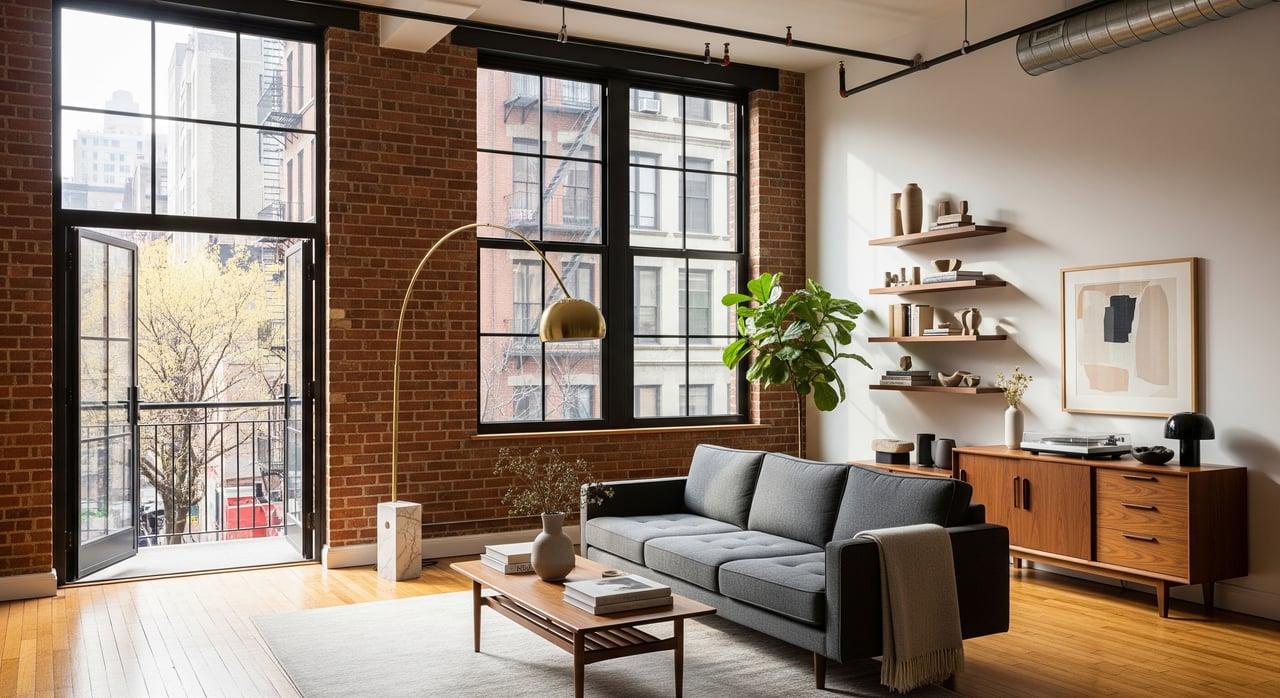
Love the East Village energy but unsure what day-to-day life really feels like once you sign a lease? You are not alone. The neighborhood blends creative grit with modern conveniences, which is part of the draw and part of the tradeoff. In this guide, you will learn what apartments actually look like, how the rental process works, how to navigate noise and nightlife, and what to check during tours so you rent with confidence. Let’s dive in.
East Village at a glance
The East Village sits east of the Bowery and Third Avenue, below 14th Street, with easy access to Union Square, Gramercy, and the Lower East Side. Exact borders shift depending on who you ask, but you will feel the center of gravity around Tompkins Square Park, St. Mark’s Place, and the Alphabet City avenues.
You will find a bohemian vibe alongside clear signs of change. Independent bars, music venues, and vintage shops sit next to popular restaurants and national chains. St. Mark’s Place draws steady foot traffic and nightlife, while Tompkins Square Park acts as a local hub with dog runs, playgrounds, and community events.
Street energy and quiet pockets
Expect late-night activity on weekends and along major commercial strips. Street-facing units on busy blocks can be lively, especially near bars and late-night eateries. If you prefer a slower pace, look at side streets, courtyard-facing apartments, or areas closer to 14th Street where activity can taper off.
What apartments look like
You will see a mix of historic and modern buildings, often on the same block. Knowing the building type helps you predict lifestyle perks and tradeoffs.
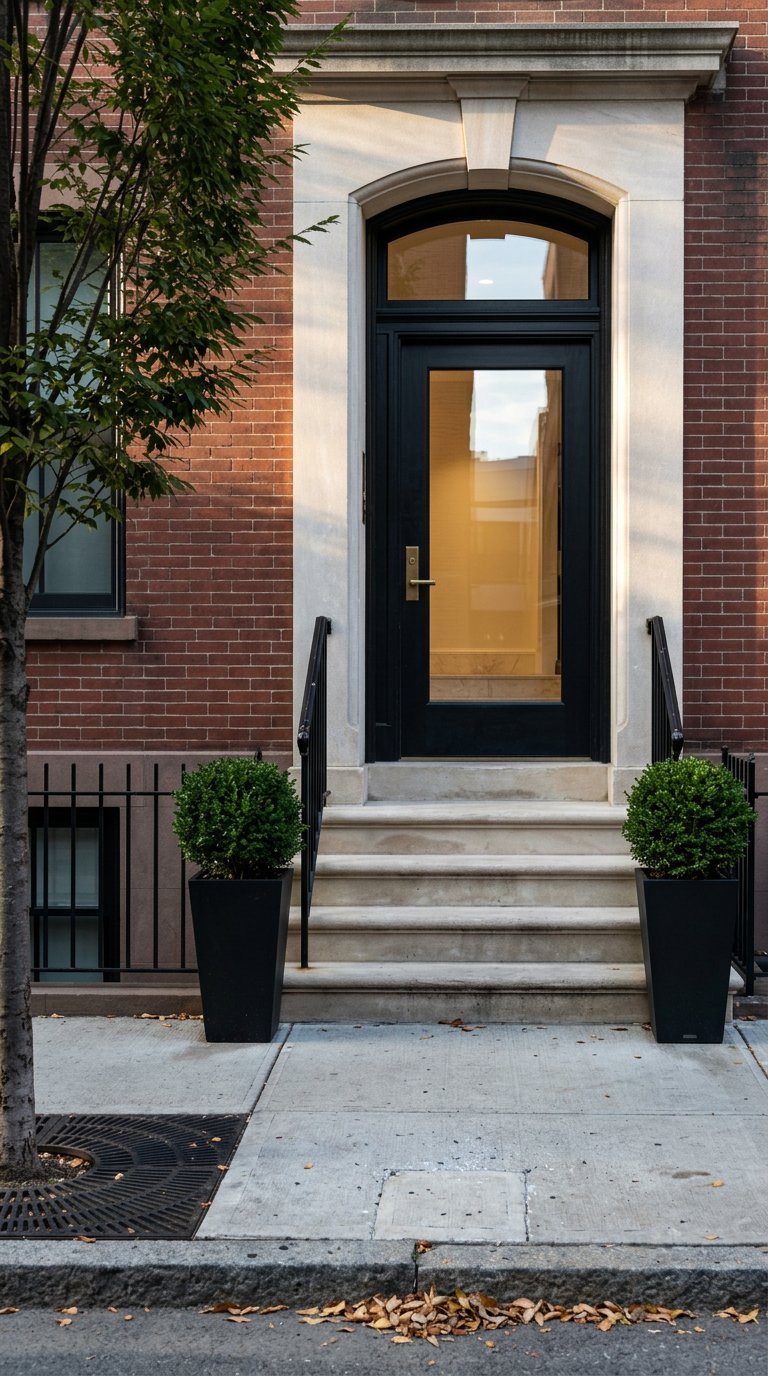
- Pre-war walk-up tenements, usually 3 to 6 stories, often with character details like high ceilings, moldings, and exposed brick. Expect smaller kitchens and compact storage.
- Mid-century and post-war elevator buildings, including some co-ops and condos, with more consistent layouts and the possibility of larger floor plates.
- Loft-style and converted spaces, found in pockets, that can offer open layouts and unique character.
- Newer boutique and larger luxury rentals with elevators, doormen, gyms, and rooftop spaces, often along major corridors or redevelopment sites.
- Mixed-use buildings with retail on the ground floor and apartments above across many blocks.
Layouts and interiors
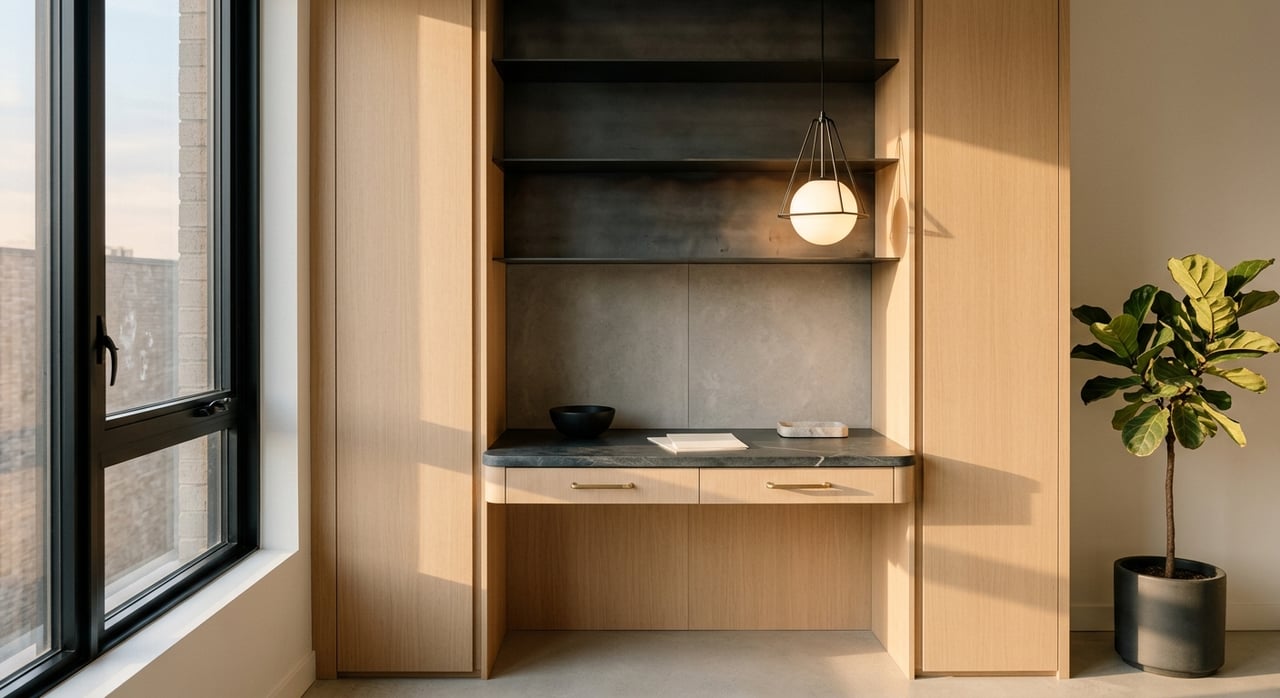
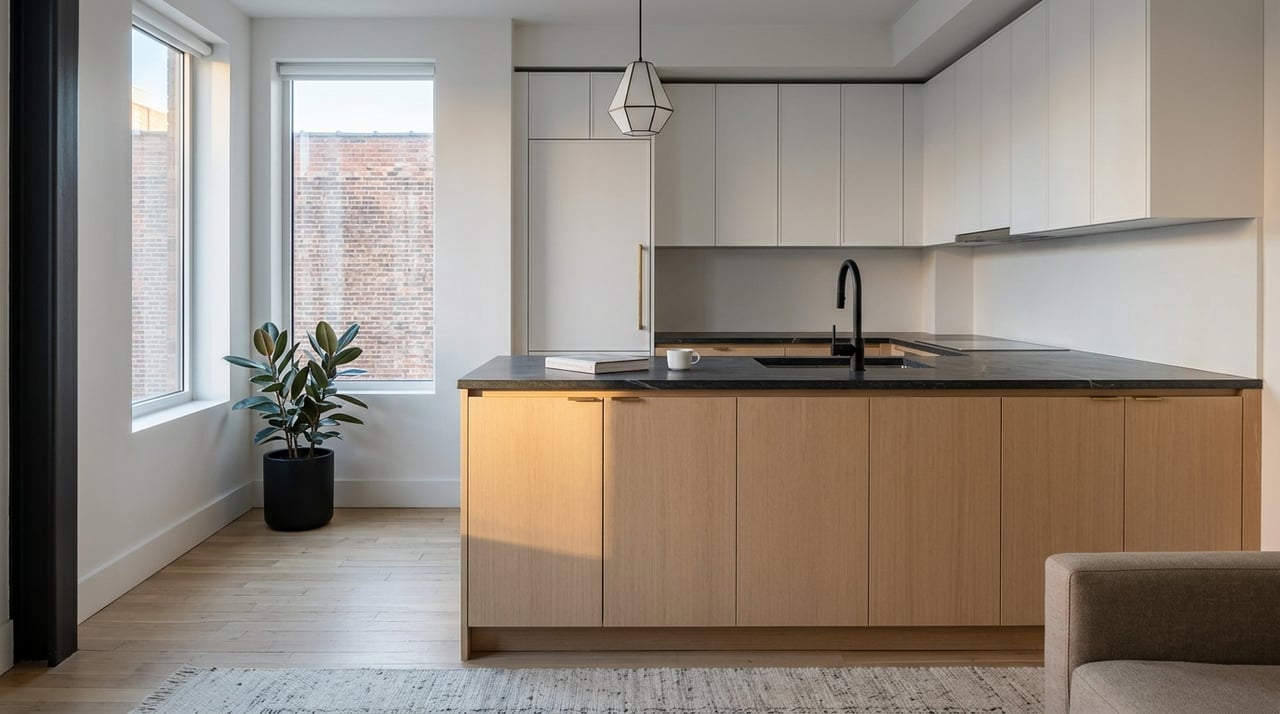
Studios and one-bedrooms dominate, especially for single professionals and couples. Alcove studios are common and can create a more defined sleeping area. Older units tend to have smaller kitchens and bathrooms and rely on window AC units, while newer or renovated apartments are more likely to have full-sized appliances, in-unit laundry, and central HVAC.
Amenities and tradeoffs
Many buildings are walk-ups with no doorman or elevator, so plan for moving logistics and delivery storage. In-unit laundry is a premium; shared laundry rooms or neighborhood laundromats are common. Pet policies vary by building. Storage can be tight, though some buildings offer bike rooms or lockers for an extra fee.
Getting around and daily life
You can handle most errands on foot. Citi Bike stations and bus routes are everywhere, and multiple subway lines are within a short walk depending on your exact block. For route planning and service changes, check the MTA’s official site. If you ride often, the Citi Bike station map helps you plan reliable docking options.
Commuting to Midtown, Chelsea, and downtown is usually quick. Trips outside Manhattan may require transfers, so budget extra time for regional rail or airport runs. Street parking is scarce and expensive. Many residents skip car ownership and rely on transit, bikes, and rideshare.
Groceries and services
You will find independent coffee shops, bodegas, specialty grocers, and a mix of casual spots and sit-down restaurants. Larger supermarkets cluster around major corridors. The Union Square Greenmarket is a standout for fresh produce within walking distance.
Gyms, salons, laundromats, pet care, and repair shops are easy to access. Medical clinics and pharmacies are nearby, which keeps day-to-day errands simple.
Parks and culture
Tompkins Square Park anchors local outdoor time, with dog runs, playgrounds, and community events. You can also walk to Stuyvesant Square and Union Square Park. Live music, comedy clubs, small theaters, and galleries give you a steady flow of culture throughout the week.
Real costs and application basics
Budget more than just monthly rent. Here are the typical cost components you will see when you apply.
- Broker fee. Common in Manhattan. Many brokers charge roughly 12 to 15 percent of the annual rent, though arrangements vary and some listings have landlord-paid fees.
- Security deposit. Often one month of rent, but policies vary by landlord.
- First month’s rent. Sometimes last month’s rent as well, depending on the building.
- Application costs. Application and credit check fees. You will need proof of income, ID, and references.
- Utilities and extras. Electricity and internet are often tenant-paid. Ask about amenity fees, storage, garage fees, and pet deposits or monthly pet rent.
Qualifying and guarantors
Many landlords look for an income threshold, commonly 30 to 40 times the monthly rent, plus a standard credit check. If your income is not there yet or you are self-employed, guarantor options can help. Family members often act as guarantors, and some management companies accept third-party guarantor services for a fee. Co-ops may require board approval and deeper documentation, while condos are usually more straightforward.
Lease terms, sublets, and your rights
Most leases run 12 months. Shorter or longer terms exist but are less common. Subletting rules depend on the building type and any rent regulation status, so read your lease carefully and ask about restrictions before you apply.
The East Village has both market-rate and rent-stabilized apartments. If a unit is stabilized, annual increases follow limits set by the NYC Rent Guidelines Board. For questions about rent regulation or rent histories, review resources from the New York State Division of Housing and Community Renewal.
In many buildings, landlords must provide heat and hot water under city standards. For the current rules and how to file complaints, visit the NYC Department of Housing Preservation and Development.
How to tour like a pro
Photos tell part of the story. A focused walkthrough helps you catch details that affect daily life. Use this checklist to keep your tour efficient.
Building-level checks
- Elevator or stairs only, plus moving logistics.
- Doorman or package policy, especially for deliveries.
- Laundry: in-unit, in-building, or nearby laundromats.
- Trash and recycling pickup schedules, pest-control plan.
- Maintenance process and response times for repairs.
- Window quality and insulation clues, like drafts or condensation.
If you are curious about recent work, you can look up permits and complaint history with the NYC Department of Buildings.
Apartment-level checks
- Layout flow and usable square footage versus listing photos.
- Natural light, window orientation, and privacy.
- Closet capacity and potential storage add-ons.
- Kitchen space, appliance age, and water pressure in sinks and showers.
- Heating and cooling type, controls, and estimated costs.
- Noise from the street and adjacent units at different times of day.
- Signs of pests or mold, such as droppings, bait stations, water stains, or musty smells.
- Security basics: lock quality, intercom, smoke and CO detectors.
Lease-level checks
- Which utilities are included and which are not.
- Lease length and renewal terms.
- Broker fee responsibility and timing.
- Security deposit amount and return conditions.
- Pet policy details, subletting rules, and guest policy.
- Any additional fees, such as amenity or move-in reservations.
- Whether the unit is rent-stabilized and proof if claimed, including rent history.
Noise, sanitation, and pests
Street noise comes with nightlife, deliveries, and dense foot traffic. Street-facing windows on busy blocks will be louder, and weekend nights can run late. If quiet is a priority, look for rear or courtyard exposures, higher floors, or buildings with better window insulation.
Sanitation quality varies by block and by building. The neighborhood, like much of Manhattan, deals with rats and cockroaches, especially around late trash pickup. Ask about the building’s pest-control schedule and how maintenance requests are handled. For on-the-ground neighborhood concerns and planning issues, you can browse meeting materials from Manhattan Community Board 3. For crime statistics by precinct, review the NYPD’s public data portal for citywide reports and precinct summaries on the NYPD crime statistics page.
Is the East Village a fit for you?
Choose the East Village if you want walkability, culture, and short hops to downtown and Midtown. Expect compact footprints, occasional noise, and a wide range of building quality. If you like independent venues and a neighborhood that feels lived-in, it can be a great match.
If you prefer quieter nights, more space, or hotel-like amenities at every price point, focus on specific blocks, newer buildings, or units with courtyard views. Touring a mix of buildings will help you find the right balance of vibe and convenience.
Ready to rent with a plan?
You bring the brief. We will bring the neighborhood intel, real-time listings, and a clear process. If the East Village is on your shortlist, connect with a local who knows the buildings, the blocks, and how to navigate fees and approvals. Reach out to Joe Gonzalez to map your next move.
FAQs
What should I expect to pay in broker fees for East Village rentals?
- Many Manhattan rentals include a broker fee, often around 12 to 15 percent of one year’s rent, though policies vary and some listings are landlord-paid.
How do I confirm if an East Village apartment is rent-stabilized?
- Ask the landlord or agent and request documentation, then review rent regulation resources from the NYC Rent Guidelines Board and rent history guidance from the New York State DHCR.
What are my commute options from the East Village?
- You can walk to several subway lines, ride buses, or use Citi Bike. For routes and service changes, check the MTA site and the Citi Bike station map.
How noisy is the East Village at night and how can I manage it?
- Busy strips and nightlife corridors can be loud, especially on weekends. Prioritize higher floors, rear or courtyard exposures, and better-insulated windows during tours.
What should I check during an apartment tour in a walk-up or older building?
- Test water pressure, windows, and appliances, look for signs of pests or leaks, and ask about maintenance response. For permits and complaint history, visit the NYC Department of Buildings.
Who enforces heat and hot water requirements in NYC rentals?
- Standards and complaint processes are outlined by the NYC Department of Housing Preservation and Development.