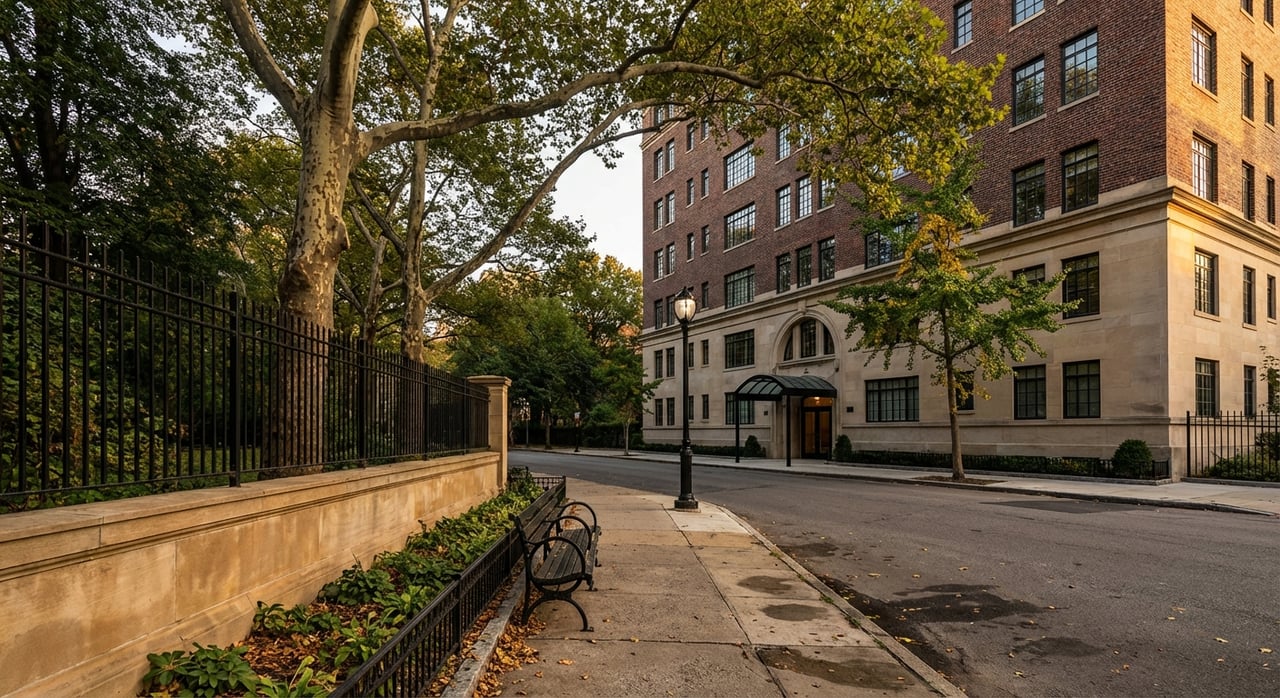
If your ideal New York day starts with a jog under tree canopies and ends with a riverfront sunset, you’re in the right place. The Upper West Side strip between Central Park West and Riverside Drive offers a daily rhythm that blends culture, calm, and convenience. In this guide, you’ll see how life actually works here — from parks and transit to housing styles and current pricing context — so you can decide if “between the parks” fits your goals. Let’s dive in.
What “between the parks” means
This guide focuses on the residential band from Central Park West across the avenues to Riverside Drive, roughly West 59th to West 110th Streets. It’s the core Upper West Side managed by Manhattan Community Board 7 and what most people picture when they say “UWS.” You’ll hear locals reference Lincoln Square to the south, the museum corridor around 77th to 81st Streets, and Bloomingdale or Manhattan Valley as you head north. For neighborhood boundaries and services, see the Manhattan CB7 overview on the city’s site.
- Reference: The CB7 overview clarifies the footprint and city services that cover the area. Visit the Manhattan Community Board 7 page on nyc.gov for details.
Central Park as your east backyard
Central Park shapes weekday and weekend life here. Residents head in for morning runs, dog walks, picnics on open lawns, and seasonal programming. The park’s large lawns and frequent events make it an everyday escape you can access in minutes from Central Park West and Columbus Avenue. For a look at the lawns and how they’re used, the Conservancy’s overview is helpful.
- Resource: Explore lawn highlights and programming via the Central Park Conservancy’s guide.
Riverside Park routines on the west
Riverside Park brings the Hudson River to your doorstep. Terraced paths, ballfields, dog runs, and the waterfront greenway support daily walking, cycling, and relaxed evenings. It’s a quieter counterpoint to Central Park, with long promenades and classic sunset views. Many residents split the week: a midweek run near the reservoir and a weekend stroll along the river.
- Park info: See amenities and park updates on NYC Parks’ Riverside Park page.
Transit and walkability
The Upper West Side is one of Manhattan’s most walkable and transit-rich neighborhoods. Walk Score rates it around 98 for walkability, with a near-perfect Transit Score — good news if you plan to do most errands on foot and rely on trains and buses. You have the 1/2/3 line along Broadway and the B/C along Central Park West, plus a major hub at Columbus Circle.
- Quick reference: See the neighborhood’s walk and transit scores on Walk Score.
- For service and trip planning: Use the MTA’s official site for live updates and route planning at new.mta.info.
A typical Midtown-bound ride from the mid‑80s can land in the 10 to 25 minute range depending on the time of day and transfers. Always check live service before you go.
Homes and architecture you’ll see
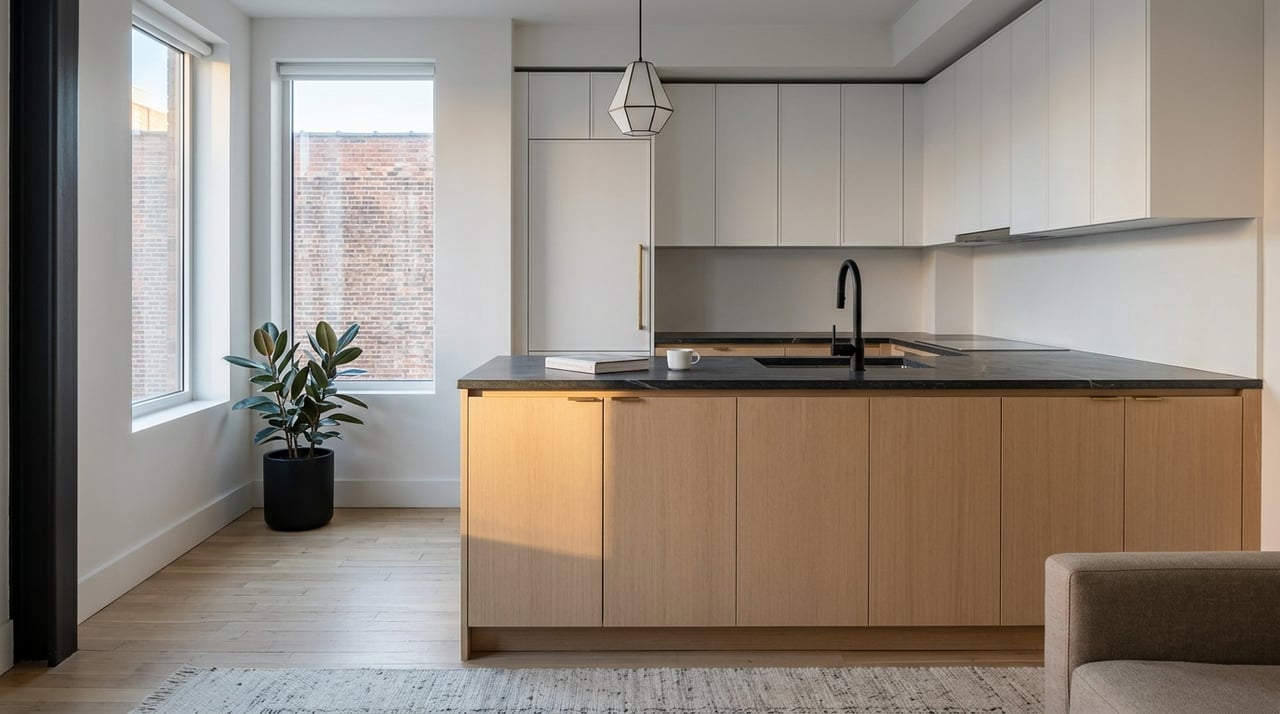
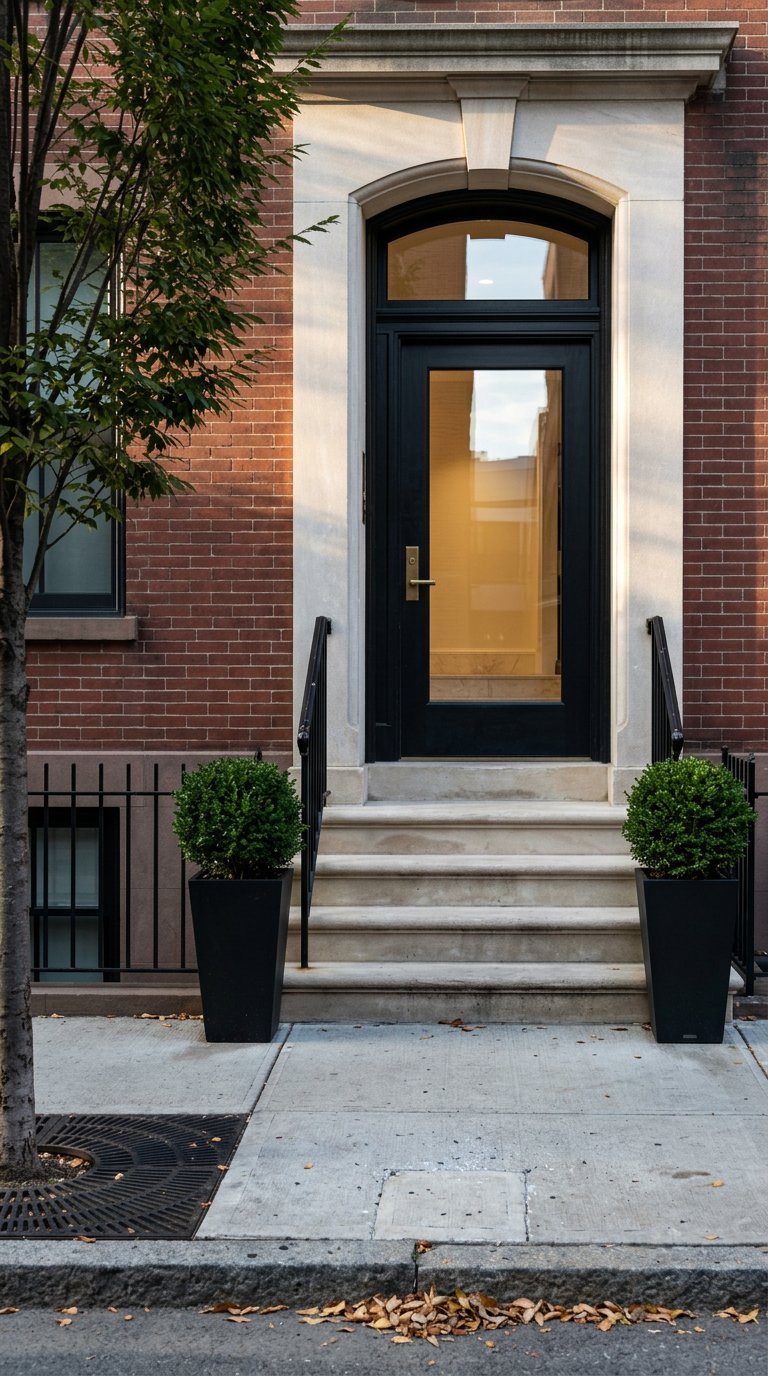
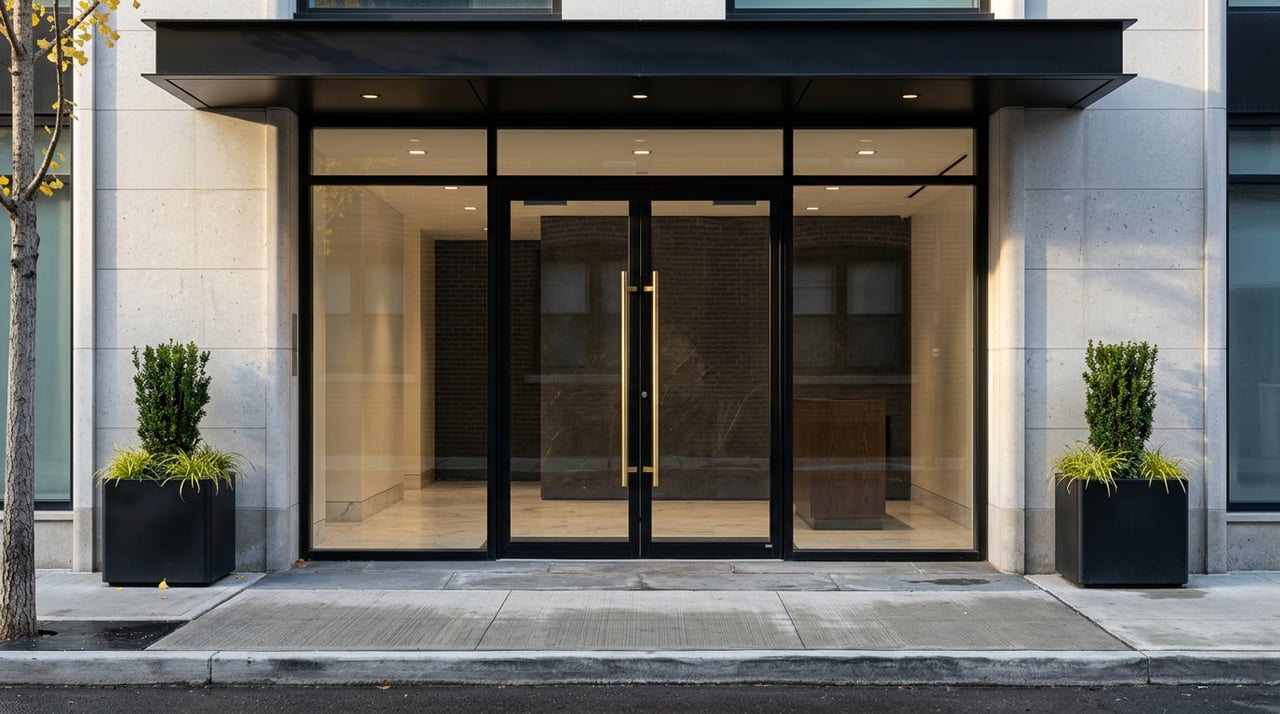
You’ll find a classic Upper West Side mix: prewar co‑ops on Central Park West (including iconic twin‑towered buildings), tree-lined brownstone side streets, mid‑rise walk‑ups along Amsterdam and Columbus, and selective newer condos near Columbus Circle and the waterfront. Several large historic districts protect rowhouse blocks and notable façades, which helps preserve the neighborhood’s character. That blend — older co‑ops and brownstones with limited new construction — is central to the area’s identity.
- Preservation note: To understand historic district coverage and designations, review the Landmarks Preservation Commission’s Manhattan designations.
Where view premiums show up
Apartments on Central Park West and higher floors along Columbus Circle corridors often command a premium for park views and natural light. On the west side, Riverside Drive and select West End Avenue units can capture Hudson River exposures. These outlooks add value because views, light, and proximity to the parks directly shape daily life.
Market snapshot and dynamics
Neighborhood medians move with property mix and timing. As of the most recent public snapshot cited in early 2026, Redfin showed a neighborhood median sale price around 1.39 million dollars for the Upper West Side. Exact figures vary by month and by co‑op versus condo, so confirm current numbers before you decide.
Citywide context through late 2024 and 2025 showed price strength at the higher end, tighter luxury inventory in some quarters, and a notable share of cash buyers. That backdrop helps explain why well-priced, desirable UWS units can move quickly and why new construction supply is limited here compared with outer-borough neighborhoods. For a plain‑English overview of Manhattan buying norms and market drivers, see this Manhattan market explainer from Manhattan Miami.
Culture, food, and everyday stops
You’re never far from culture on the UWS. Lincoln Center at West 65th Street anchors performances, classes, and community programs that locals use year-round. The American Museum of Natural History near 79th Street brings exhibitions and educational programming that draw neighbors on weekends and school breaks.
- Explore what’s on stage at Lincoln Center.
- Learn about the American Museum of Natural History.
Everyday food runs are part of the charm. Zabar’s on Broadway near 80th is a local institution for appetizing and groceries. You’ll see weekend lines for Levain Bakery near West 74th and a steady brunch crowd at Jacob’s Pickles on Amsterdam. Café Luxembourg near 70th offers a classic bistro option that residents return to for pre‑show dinners.
Greenmarkets and errands on foot
Farmers’ markets make weekly shopping easy without a car. Tucker Square Greenmarket at 66th and Broadway is a go-to for many in the south end of the neighborhood, and there’s a popular weekend market near 79th Street by the museum. These stops slot neatly into a Saturday routine between a park visit and errands along Broadway.
- Market details: See dates and times for the Tucker Square Greenmarket via the Lincoln Square BID’s event page.
Choosing your avenue
Picking the right block matters as much as choosing the right building. Here’s a quick way to think about the avenues when you’re living between the parks.
Central Park West
- What you’ll notice: grand prewar co‑ops, direct park access, and classic views.
- Who it suits: buyers drawn to landmark architecture, sidewalks that open straight into Central Park, and a quieter, residential feel on the park edge.
Columbus and Amsterdam
- What you’ll notice: lively dining corridors, mid‑rise stock, and easy park access in either direction.
- Who it suits: people who want an energetic street life, short walks to both parks, and quick access to subways on Central Park West and Broadway.
Broadway to West End and Riverside
- What you’ll notice: Broadway’s retail spine, elegant prewar buildings on West End, and river vistas as you reach Riverside Drive.
- Who it suits: residents who like having shopping and transit on Broadway within minutes and value evening walks by the Hudson.
Pros and considerations
Pros
- Two major parks at your doorstep with different daily uses.
- High walkability and strong subway access in multiple directions.
- Cultural anchors like Lincoln Center and the museum corridor.
- A distinctive mix of prewar co‑ops, brownstones, and newer condos.
Considerations
- One of Manhattan’s pricier neighborhoods, especially with park or river views.
- Limited large-site new construction in the core often means tighter resale inventory.
- Popular blocks can draw visitors, especially near major cultural venues.
Buying or selling here
If you’re buying, get clear on your must-haves by park proximity, views, and building type. Co‑ops dominate in many sections, so factor board requirements and timelines into your plan. If you’re selling, lean into what makes your unit stand out — light, views, preserved prewar details, and a location that makes both parks part of daily life.
For up-to-the-minute pricing and availability, you’ll want live data and on‑the‑ground context. That’s where a focused, MLS‑integrated approach and neighborhood familiarity add real value.
Ready to explore listings, open houses, or a pricing strategy tailored to this stretch of the Upper West Side? Connect with Joe Gonzalez for a focused plan and a tour that matches your lifestyle.
FAQs
What does “between the parks” mean on the Upper West Side?
- It refers to the residential band from Central Park West to Riverside Drive, roughly West 59th to West 110th Streets, within Manhattan Community Board 7’s coverage.
How do residents use Central Park and Riverside Park day to day?
- Many pair a Central Park run or lawn time with Riverside Park’s riverfront walks and bike rides, taking advantage of each park’s different feel and amenities.
What is transit like on the Upper West Side between the parks?
- You have the 1/2/3 on Broadway and the B/C along Central Park West, plus frequent buses; Midtown rides commonly land in the 10 to 25 minute range depending on service.
What housing types are common between Central Park West and Riverside Drive?
- Prewar co‑ops on Central Park West, brownstones on side streets, mid‑rise buildings on Columbus and Amsterdam, and selective newer condos near Columbus Circle and the river.
Are prices high on the Upper West Side between the parks?
- Yes, it’s one of Manhattan’s pricier areas; a recent public snapshot put the neighborhood median near 1.39 million dollars, with premiums for park or river views.
Which avenues fit different lifestyles within the Upper West Side band?
- Central Park West suits park‑forward living and landmark architecture; Columbus and Amsterdam offer dining and balance; Broadway to Riverside adds retail access and Hudson River walks.