Scrolling East Village listings and wondering what a railroad or a convertible two really means for your daily life and budget? In a neighborhood known for prewar charm and creative layouts, the words in a listing can shape what you get for your money. This guide breaks down the most common phrases, the safety and legal checks you should run, and quick ways to verify details before you tour or make an offer. Let’s dive in.
Decode key East Village terms
Railroad layout
A railroad means rooms in a straight line with pass-through spaces and no central hallway. It is common in older East Village tenement and brownstone buildings and can offer great front light with limited privacy in the middle rooms. See how this layout compares to others in StreetEasy’s apartment types guide.
What to check: Count how many rooms are pass-through and who would use the interior room. Confirm that routes to exits are clear for safety and comfort.
Flex or convertible
Flex, convertible, or convertible two usually means the unit is large enough to divide, but not necessarily legal to reconfigure without permits. The practice of using temporary or pressurized walls has declined due to safety concerns and building rules. Learn the risks in this CityRealty explainer on flex apartments.
What to check: Ask whether any partition is building-approved and if the added room meets legal bedroom standards. For permanent changes, request permit numbers and filing details.
Flex room or den
A flex room in listing copy often means an alcove, nook, or partially separated area that is not a legal bedroom. It may lack a window, full-height wall, or closet.
What to check: Ask directly whether it is a legal bedroom and if it appears on the Certificate of Occupancy.
Alcove studio and junior 1BR
Alcove studios and junior one-bedrooms sit between a studio and a full one-bedroom. The alcove or small room can function as sleep space, but it is often still legally a studio unless it meets bedroom standards. See definitions in StreetEasy’s apartment types overview.
What to check: Confirm there is an operable window to the outside and that the room meets size and layout requirements. Ask for a measured floor plan.
Converted two-bedroom
Converted often means a second bedroom was added to a unit that originally had fewer bedrooms. This could be a legal renovation with permits or an unpermitted change.
What to check: Verify legality through the building’s records. NYC HPD explains how illegal conversions create hazards and enforcement risk. Review HPD guidance on illegal conversions and violations.
Walk-up
A walk-up is a building without an elevator. Many East Village prewar buildings fall into this category and can trade convenience for lower carrying costs or price points. StreetEasy’s guide covers walk-up and other unit types.
What to check: Ask which floor the unit is on. A fourth or fifth floor walk-up affects moving logistics, resale appeal, and daily routine.
Mint, gut renovated, recently renovated
Mint signals cosmetically updated and move-in ready. Gut renovated implies a deeper overhaul of systems, kitchens, or baths.
What to check: For any significant work, ask what was done, whether permits were pulled, and if approvals were obtained. You can reference NYC DOB guidance on permitting and occupancy rules here.
As-is
As-is means you accept the unit in its current condition and the seller or landlord will not make repairs.
What to check: Budget for repairs, order a thorough inspection if buying, and review disclosures and building history before committing.
No-fee rentals
No-fee or owner pays broker means the tenant is not responsible for the broker fee.
What to check: Confirm in writing who is paying the commission and whether any other fees apply.
Legal and safety basics
What makes a legal bedroom in NYC
In practice, a legal bedroom is at least about 80 square feet with a minimum clear width, proper ceiling height, and an operable window that opens to a street, yard, or court for natural light, ventilation, and egress. These rules come from NYC’s housing codes and Multiple Dwelling Law. For consumer-friendly definitions of room types, review StreetEasy’s apartment types guide.
What to check: Ask whether each bedroom is recognized on the building’s Certificate of Occupancy and request documentation when possible.
Flex walls and safety
Temporary and pressurized walls create egress issues and can confuse first responders. Many buildings now restrict or ban them for safety.
What to check: If a listing shows added partitions, ask whether the building authorizes them and whether they block ventilation or sprinklers. For any permanent wall, permits and plans should exist as noted in the CityRealty flex overview.
Illegal conversions and enforcement
Adding bedrooms or splitting units without proper DOB permits or updating the Certificate of Occupancy is an illegal conversion. These can pose hazards and lead to fines or vacate orders.
What to check: Use HPD and DOB records to verify unit legality. Start with NYC DOB’s permitting and occupancy guidance here and confirm details with the listing agent.
Quick verification steps
Ask the agent or owner
- Is each bedroom legal and listed on the Certificate of Occupancy? Request the CO or building CO number.
- Were any partitions or new walls installed? Ask for permit numbers or a DOB job filing link.
- For rentals, confirm whether heat and hot water are included and who pays the broker fee.
Do fast online checks
- Search DOB records to see permits or violations. Start with DOB’s guidance on project requirements and CO rules here.
- Look up HPD’s building page to review registration and open complaints.
- Use a quick diagnostic like ViolationWatch’s illegal basement and cellar lookup if a listing appears to be a basement or split layout.
- Review StreetEasy’s listing history pages to compare past descriptions and spot inconsistencies. Ask for a measured floor plan if room counts or square footage are unclear.
At the showing, spot red flags
- A “second bedroom” with no window to the outside is likely not legal.
- Partitions that do not reach the ceiling often signal a temporary wall. Confirm whether they must be removed at move-out.
- Look for smoke detectors, clear egress paths, and unobstructed sprinkler heads. If a conversion interferes with safety systems, proceed with caution.
Co-op vs condo language that matters
Board package and approvals
Co-ops require a full board package with tax returns, asset statements, employment letters, references, and an interview. This adds time and an approval layer that does not exist in the same way for condos. For a straightforward overview of what a board package includes, see this NYC co-op board package guide.
What to check: Ask early about sublet rules, flip taxes, reserves, and any building policies that affect financing and timing. Set expectations on closing timelines that include board review.
Listing language clues
Listings that note co-op often mention sublet policy, minimum down payment, or post-closing liquidity. Condo listings may emphasize lighter application requirements and investor-friendly rules.
What to check: Confirm building policies in writing and review offering plans, house rules, and financials with your attorney and lender.
East Village context
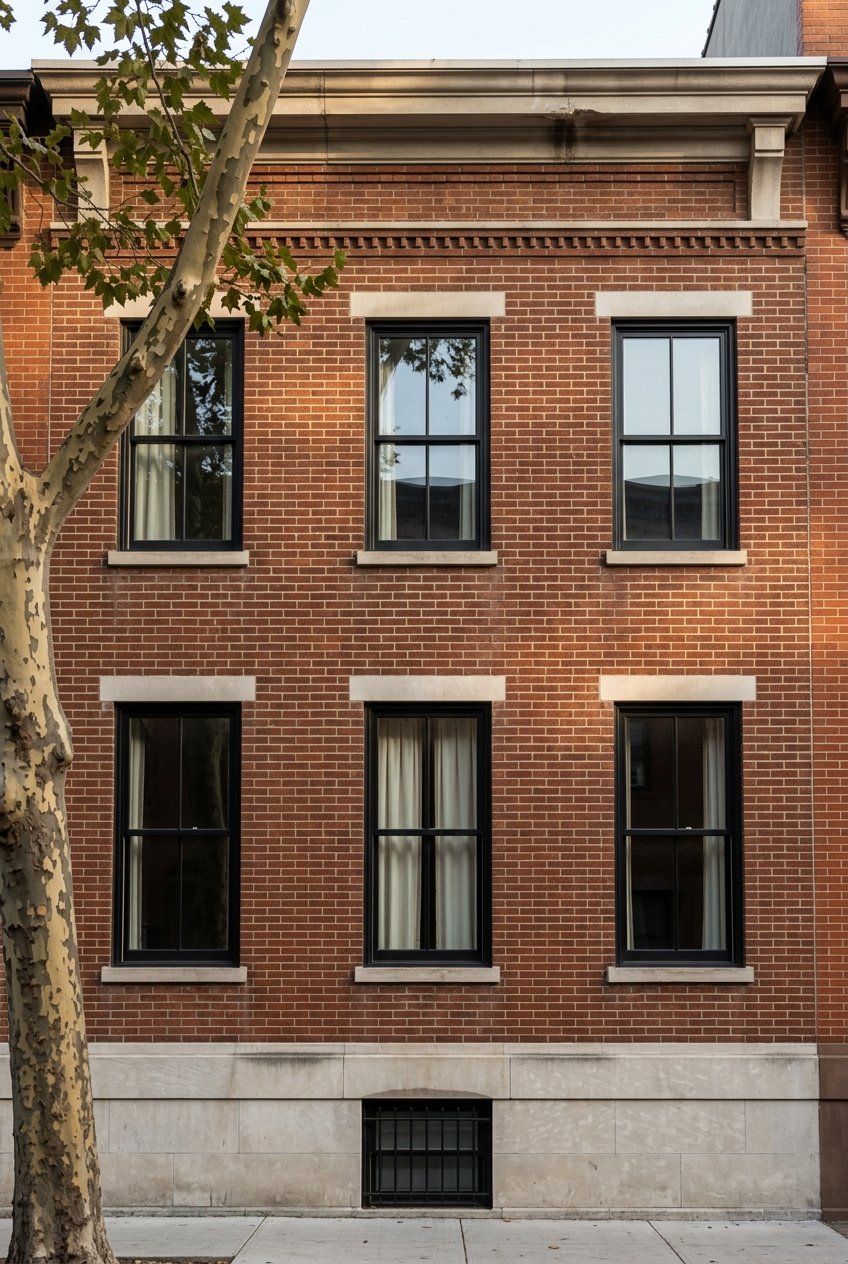
The East Village has a large supply of prewar walk-ups, brownstones, and tenement-style buildings. That history is why you often see terms like railroad, alcove studio, converted, and flex in local listings. For a brief history of railroad apartments and where they appear in NYC, read this Brownstoner guide.
What to watch: Prewar charm can come with quirky layouts, small interior rooms, and stairs. Weigh lifestyle fit along with price and condition.
One-page showing checklist
- Ask: Is each bedroom listed on the Certificate of Occupancy? If not, request the DOB record or permit number.
- Confirm every bedroom has an operable exterior window and adequate size.
- Scan for temporary partitions, blocked sprinklers, or altered egress paths.
- If buying, confirm co-op or condo and ask about board rules, sublet policies, reserves, and any flip tax.
- Search DOB and HPD for open violations. Multiple illegal-conversion violations are a red flag.
- If renting, confirm who pays the broker fee and whether heat and hot water are included.
Final thoughts
Decoding listing language is the fastest way to protect your budget and avoid surprises in the East Village. When you translate the copy, verify legality, and run a few quick checks, you position yourself to act fast on the right home and pass on the wrong one. If you want help reading between the lines, lining up tours, and confirming details with building records, reach out to Joe Gonzalez for local guidance.
FAQs
What does a convertible two-bedroom mean in East Village listings?
- It usually means a one-bedroom that is large enough to divide into two rooms, but the added room may not be a legal bedroom without permits or building approval.
How can I tell if a bedroom is legal in NYC?
- A legal bedroom generally has about 80 square feet, proper width and ceiling height, and an operable exterior window, and it should appear on the building’s Certificate of Occupancy.
Are pressurized walls allowed in East Village apartments?
- Many buildings restrict or ban temporary walls due to safety and egress concerns, so always ask for building policy and permits before relying on a partition.
What should I check before agreeing to an as-is sale or rental?
- Budget for repairs, read building records for violations, and if buying, order a thorough inspection and confirm prior renovations were permitted.
What does no-fee cover in NYC rentals?
- It means the owner, not the tenant, pays the broker commission, but confirm in writing who pays which fees and whether any other charges apply.
How do co-op approval rules affect my buying timeline?
- Co-ops require a full board package and interview, which can extend timelines compared to condos, so factor board review into your closing plan.