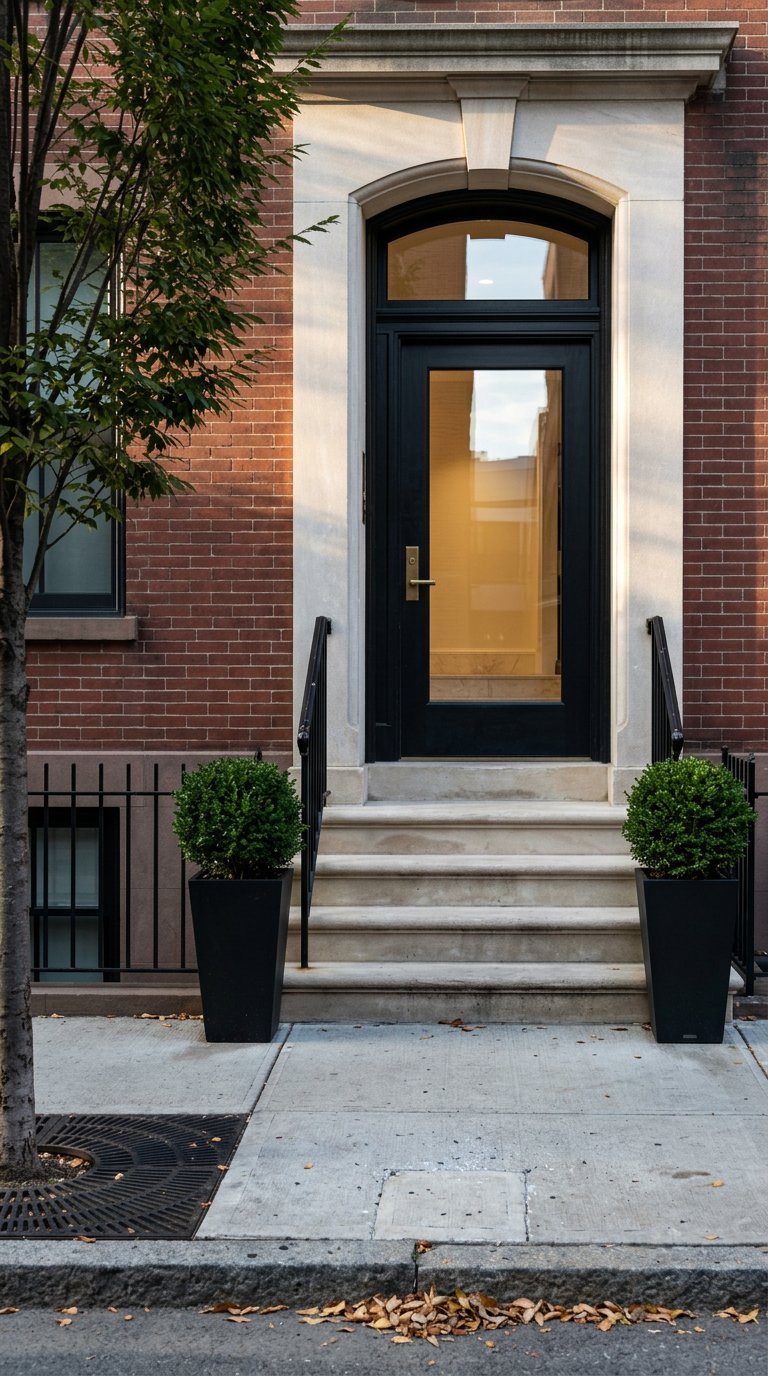
Torn between Murray Hill and Gramercy for your Manhattan home base? You are not alone. Both offer great access, strong housing choices, and a distinct vibe, but they deliver very different daily experiences and price dynamics. In the next few minutes, you will get a clear, side‑by‑side look at housing types, commute pros and cons, lifestyle, and what to expect if you rent or buy in each area. Let’s dive in.
Quick answer: who each fits
- Choose Murray Hill if you want fast access to Grand Central, larger rental buildings with amenities, and generally more rental inventory at a relative value for the East Side. The area sits in Midtown East with easy local subway access and regional rail at Grand Central.
- Choose Gramercy if you want a quieter, historic residential feel near a private park, with premium addresses and quick walks to Flatiron, Union Square, and Madison Square Park. Expect a housing mix heavy on co‑ops and classic buildings, plus higher‑end condos.
Murray Hill at a glance
Location and fabric
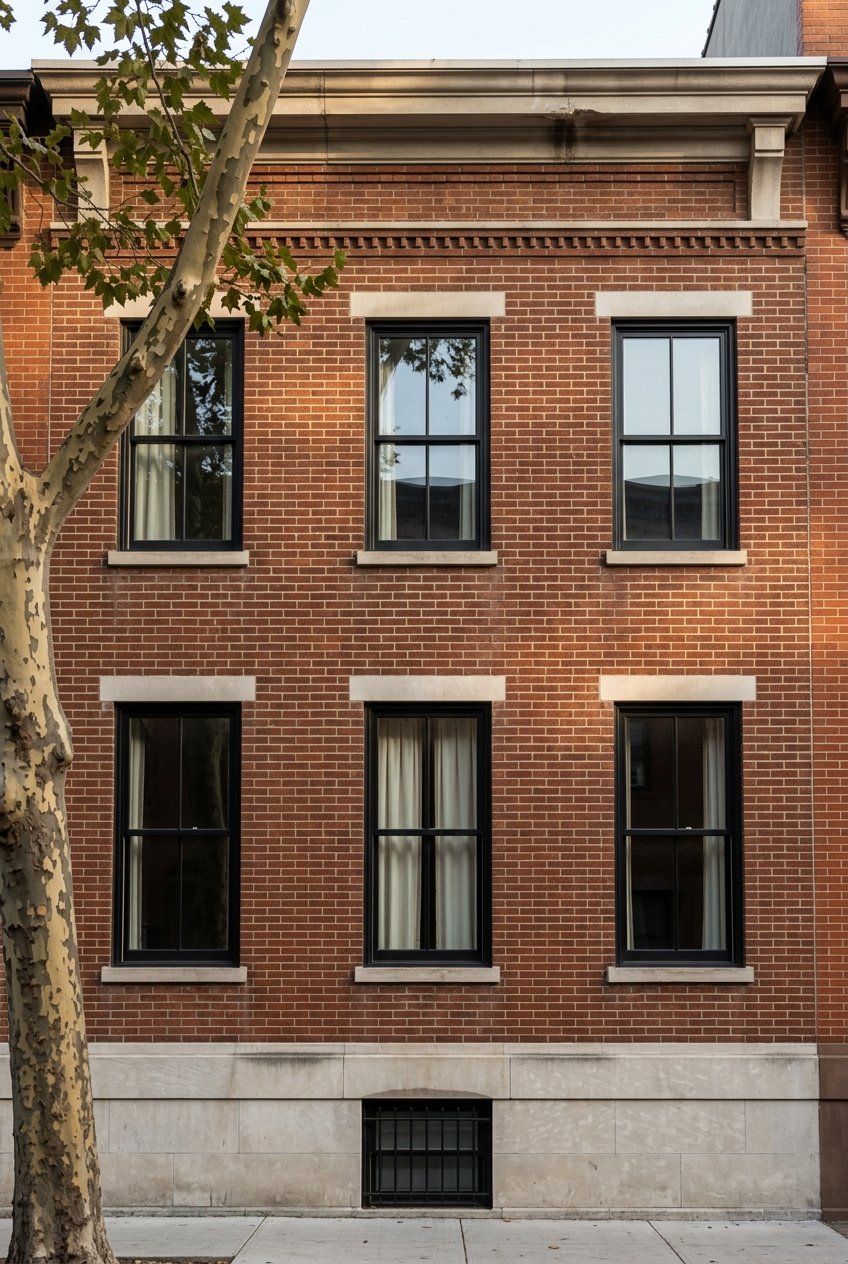
Murray Hill sits on Manhattan’s East Side, roughly from East 34th to 40th Streets, stretching from Madison Avenue toward the East River. The housing stock is diverse: prewar walk‑ups and brownstones on side streets, plus many full‑service mid‑ and high‑rises. StreetEasy building pages feature examples of large, modern rental towers that signal the neighborhood’s rental focus, such as the listings at New York Tower.
For neighborhood context and boundaries, see the Murray Hill overview.
Commute and connectivity
Murray Hill’s edge is proximity to Grand Central. If you work along Park Avenue or in Midtown East, the walk is short and direct. The 6 train local stop at 33rd Street runs north and south for easy midtown and downtown links, as outlined in the 33rd Street station profile. The MTA’s East Side Access brought Long Island Rail Road service into Grand Central Madison in 2023, a major plus for regional commuters who want to avoid Penn Station. Read more on the MTA East Side Access project.
If you hop across the river or downtown by water, the East 34th Street ferry landing is a nearby option that some buildings highlight for added flexibility. For example, the View 34 building page calls out the E. 34th Street landing on the East River.
Lifestyle and daily rhythm
Expect a workday Midtown energy with plenty of casual bars and quick‑service spots, especially along Third Avenue. Many larger buildings include doorman, gym, and package services, which make daily routines simple. You are close to Herald Square and 34th Street retail, and a quick ride from both Grand Central and Penn Station for weekend getaways.
Gramercy at a glance
Location and fabric
Gramercy centers on Gramercy Park, a small, fenced green square between East 20th and 21st Streets. The park is private and accessible only to keyholders in qualifying buildings, which shapes the quiet, residential feel on surrounding blocks. Get the neighborhood context from Gramercy Park’s history and the official NYC Landmarks Commission map of the Gramercy Park Historic District.
Housing here leans historic: brownstones and townhouses near the park, many mid‑rise co‑ops, and a set of higher‑end condos, especially closer to Flatiron and NoMad. Because sales inventory often splits between co‑ops and condos, price medians can swing based on what is selling in any given month.
Commute and connectivity
You are a short walk to the 6 train at 23rd Street and close to Union Square’s major transfer hub, which connects to the L, N, Q, R, W and 4/5/6 lines. That network coverage makes Gramercy efficient for jobs in Flatiron, NoMad, and downtown. StreetEasy building pages often highlight these connections, such as listings at 39 Gramercy Park North, which note easy access to the 6 and Union Square.
Lifestyle and daily rhythm
Streets immediately around the park feel calm and residential, with classic architecture and tree‑lined blocks. You are moments from Flatiron’s dining and retail and an easy walk to Madison Square Park. For dining, the neighborhood flagship Gramercy Tavern anchors the local food scene with a long‑standing reputation.
Prices and inventory: what to expect
Recent neighborhood snapshots suggest a pattern: Gramercy’s asking rents and condo medians often sit at a premium to Murray Hill, while Gramercy co‑op sales can skew lower than Gramercy condos. That mix means a simple neighborhood median can be misleading. If you are comparing purchase options, always separate co‑ops, condos, and townhouses when you look at comps.
On the rental side, Murray Hill typically shows larger rental inventories and more immediate availability in full‑service towers. Gramercy rentals exist, but inventory can be thinner and pricing reflects the neighborhood’s premium, especially near the park. StreetEasy building and neighborhood pages frequently illustrate these differences with more rental examples in Murray Hill, including modern high‑rise options like New York Tower.
For any decision, pull fresh data and note the “as of” date. Markets move quickly, and product mix can change month to month.
If you are renting
- Expect more high‑rise, amenity‑rich choices in Murray Hill and a better shot at quick move‑ins.
- In Gramercy, focus searches a few blocks off the park if you want more options and potential value.
- Budget with flexibility. Premium blocks and newer product command higher asking rents.
If you are buying
- Identify product type first. Gramercy has many co‑ops with board approvals and distinct sublet policies, while condos offer easier flexibility at a higher price per square foot.
- In Murray Hill, you will find a mix of co‑ops and condos, often in larger buildings that appeal to both end users and investors.
- Compare apples to apples. Pull 3 to 6 recent sold comps in the same product type and building class, and record the “as of” date to ground your expectations.
Commute tradeoffs in 10 minutes
Your door‑to‑door matters more than the subway map. Here is how to compare efficiently:
- Pick two office targets. Grand Central and Union Square are good proxies.
- Walk the routes from a likely apartment location at both rush hour and off‑peak.
- Time the 6 train and transfer options. Murray Hill is closer to Grand Central. Gramercy is closer to Union Square’s hub.
- If you commute to Long Island, note that LIRR now runs into Grand Central Madison, which strongly favors a Murray Hill base for regional rail access. Details live on the MTA East Side Access page.
Lifestyle snapshot: a day in each
- Murray Hill morning: coffee on Third Avenue, a quick 10 to 15 minute walk to Park Avenue offices, and a straightforward ride home with a grocery stop in a full‑service building that handles packages and dry cleaning.
- Gramercy evening: a quiet stroll past the park’s iron fence, dinner at a neighborhood staple like Gramercy Tavern, and a 7 to 10 minute walk to the NQRW or 4/5/6 at Union Square for a late show downtown.
Decision checklist
Use this simple filter to get to a yes:
- Commute fit. Which address cuts your daily walk and transfer count the most?
- Product type. Are you aiming for a co‑op or condo, and are you comfortable with each building’s rules and timeline?
- Inventory and timing. Do you need quick availability and flexible lease terms, or can you wait for a specific line or building to hit the market?
- Budget alignment. Compare like‑for‑like comps in each neighborhood and focus on total monthly cost, not just list price.
- Block feel. Tour at morning, midday, and late evening to confirm noise, light, and foot traffic match your lifestyle.
Work with a local, data‑first guide
Both Murray Hill and Gramercy can be an excellent fit. The right choice comes down to commute, product type, and the street you will call home. If you want live comps, on‑market options, and a short list of buildings that match your goals, connect with Joe Gonzalez. Joe’s platform integrates live listings, open houses, and valuation tools so you can move decisively.
FAQs
Is Gramercy Park actually private and how do keys work?
- Yes. The park is fenced and accessible only to residents of eligible buildings with key privileges, so most people enjoy it from the surrounding sidewalks and nearby public parks.
Which neighborhood is better for a Midtown East commute?
- Murray Hill usually wins because much of it sits within a short walk of Grand Central, and LIRR now serves Grand Central Madison for regional trips.
Where will I find more rental options right now?
- Murray Hill typically has larger rental inventory in high‑rise, full‑service buildings, while Gramercy rentals exist but can be thinner and price at a premium.
What should I know about Gramercy co‑ops vs condos?
- Many Gramercy buildings are co‑ops with board approvals and distinct sublet rules, while condos offer more flexibility with higher per‑square‑foot pricing.
Are there ferry options near Murray Hill for my commute?
- Yes. The East 34th Street ferry landing on the East River offers additional routes that some residents use for cross‑river and downtown trips.
How do prices generally compare between the two?
- Gramercy condos and park‑adjacent addresses often trade at a premium to Murray Hill, while Gramercy co‑ops can sell at lower totals, so always compare by product type and date.