Two Murray Hill apartments on the same block can feel completely different. One floods with afternoon sun but hums with avenue traffic. Another is whisper-quiet yet dim by midday. If you are touring or listing in Murray Hill, understanding light, exposure, and noise helps you make a confident move. This guide gives you clear steps, local context, and smart fixes so you can judge each space on what matters most to you. Let’s dive in.
How Murray Hill shapes light and sound
Murray Hill mixes prewar walk-ups and brownstones with mid-century towers and modern glass buildings. That variety creates big differences in window size, façade materials, and setbacks, which change how light enters and how street noise travels.
North–south avenues like Lexington, Park, Madison, Third, and Second carry heavy traffic and buses. Crosstown routes, especially 34th Street, get busy and loud during peak hours. Proximity to Grand Central and nearby subway lines can add localized rumble and vibration on some blocks.
On the east side, the FDR Drive and riverfront activity can contribute to ambient noise, and occasional helicopter traffic near the East 34th Street Heliport is part of the soundscape. Some blocks are lined with continuous high-rises that reflect and amplify sound while limiting direct sun. Others have lower brownstones with more open sky and calmer streets.
Daylight and exposure: what to look for
Orientation vs real-world results
Compass direction guides expectations, but it is not the whole story. South-facing windows often get the most sun, east excels in morning light, west glows in late afternoon, and north is usually softer and indirect. In dense Manhattan blocks, surrounding heights, setbacks, and street-canyon effects can block direct sun even in south-facing rooms. Sightlines to open sky often matter more than direction.
Quick tests during a showing
- Note which rooms face which direction, then check the space at multiple times if possible. Ask for photos that show morning, midday, and late-afternoon light, and ask for seasonal examples.
- Scan for obstructions like neighboring façades, balconies, rooftop equipment, and fire escapes. From each window, look up. If you can see a good strip of sky above the nearest building, you are more likely to get useful daylight.
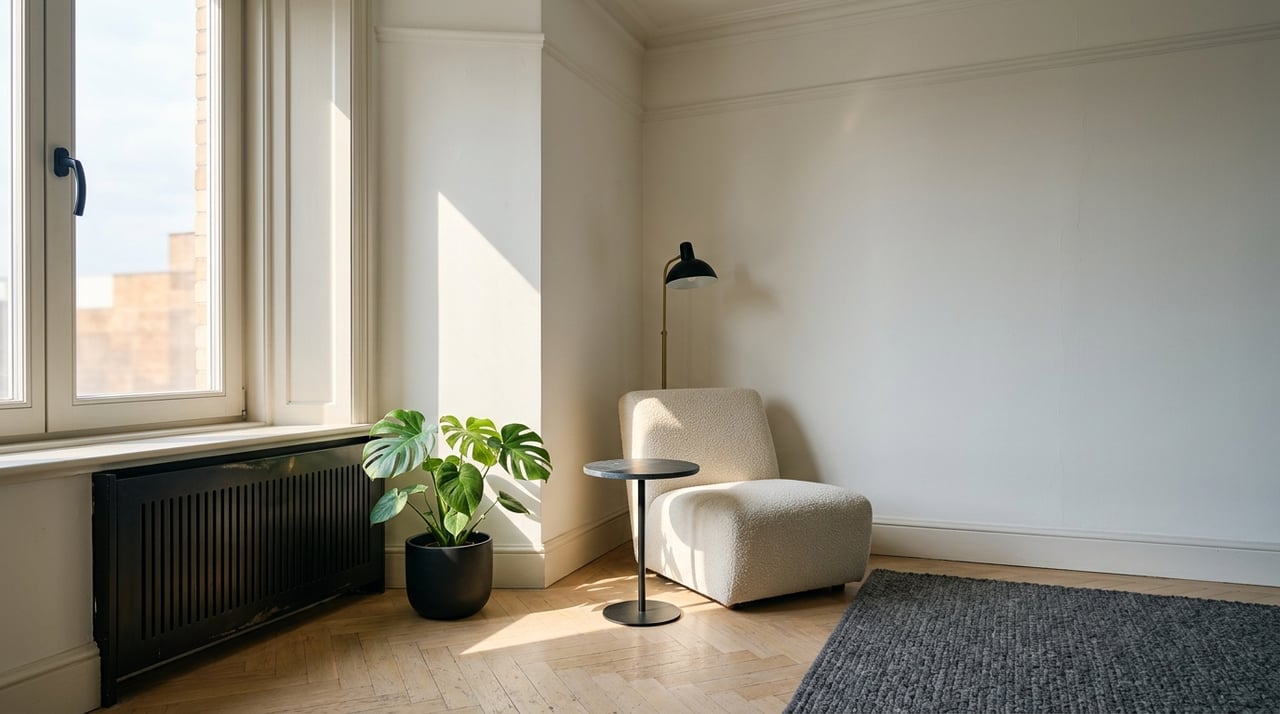
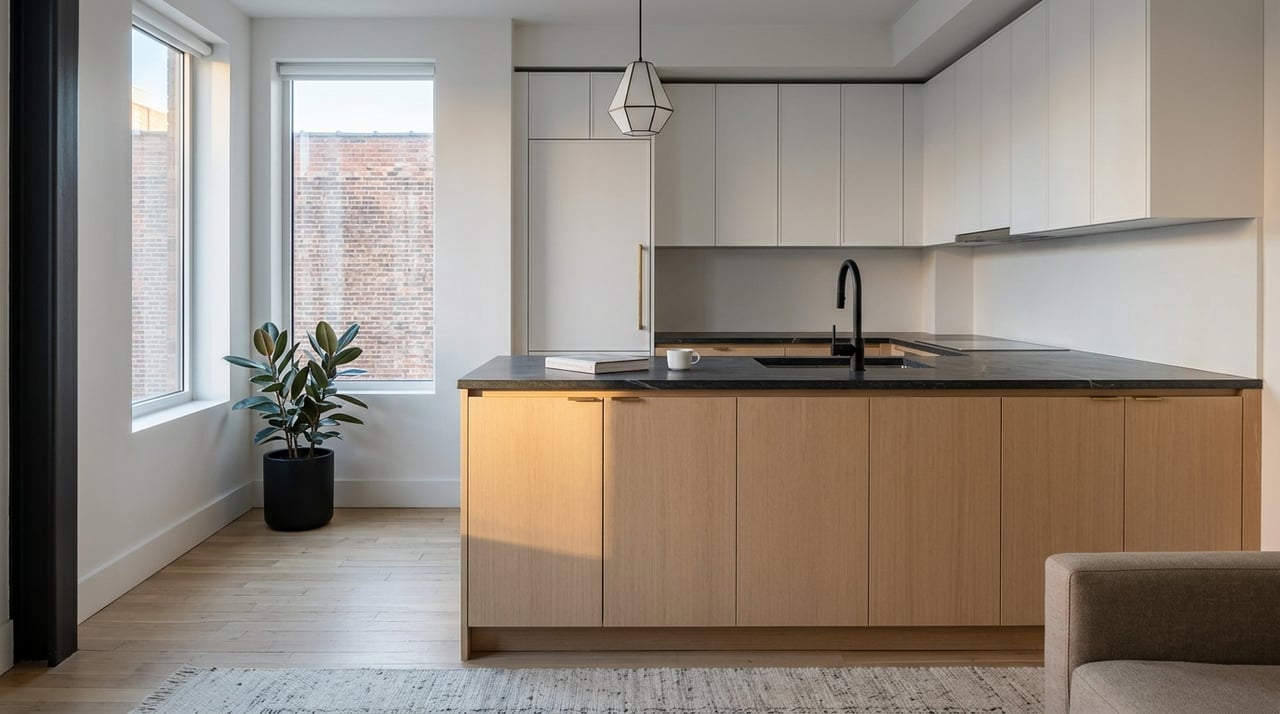
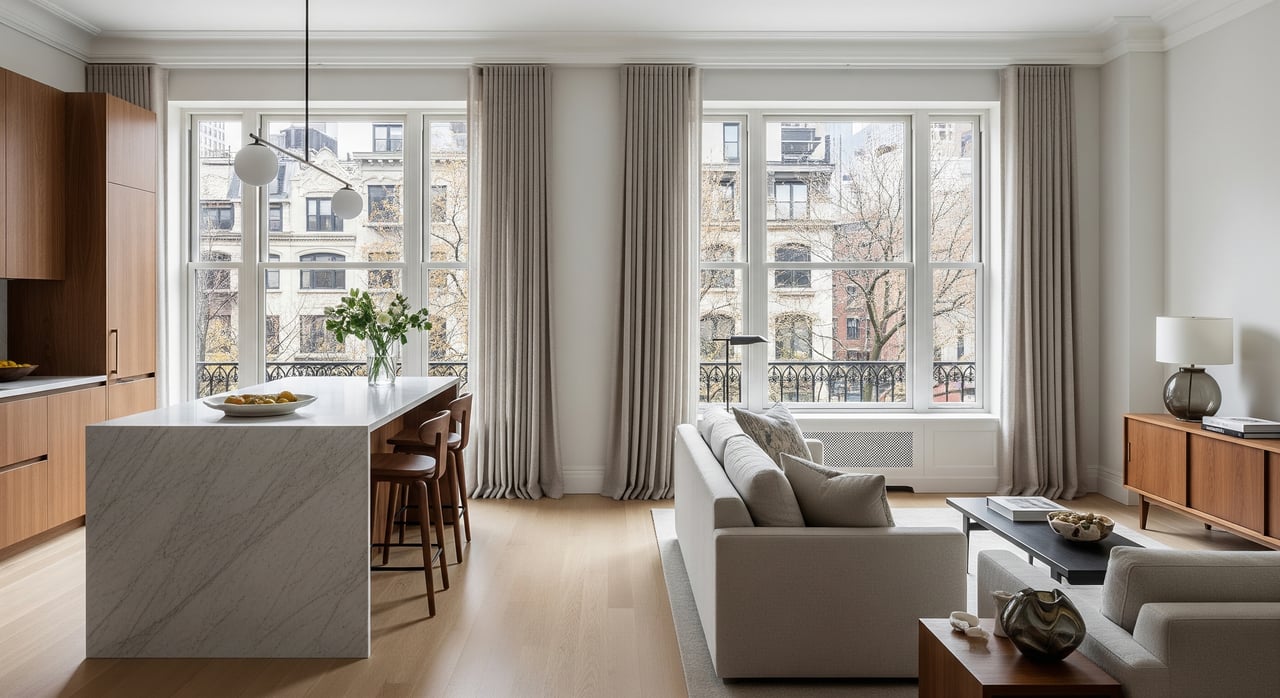
- Compare window size and type. Floor-to-ceiling glass brings a different quality of light than small double-hung windows. Pay attention to how rooms connect to the main window wall, since layout can matter more than square footage.
- Check interior finishes. Light-colored walls and reflective surfaces can extend daylight deeper into the room. Deep rooms that rely on a single window wall depend more on artificial light.
Seasonal and long-term factors
Winter sun rides lower, so a unit that reads dim in summer could still get useful winter sun if not obstructed. Consider future construction risk. An open view today could change if a nearby lot gets built. Look into permits and planned development activity on adjacent lots before you commit.
Noise in Murray Hill: common sources and how to test
Typical sources by block
Noise sources vary widely. You may hear avenue traffic, buses, and delivery trucks, especially near 34th Street. Near Grand Central, you can encounter subway and commuter-rail rumble. Rooftop HVAC, exhaust fans, and elevator equipment can be audible in some stacks. Entryways and late-shift building activity can add nighttime sound. Construction, façade work, and occasional helicopter flights can appear in the mix.
Simple sound checks you can do
- Sample different times. Visit or ask for recordings from weekday morning rush, late afternoon, evening, and late night or early morning when garbage collection and deliveries happen.
- Walk the perimeter and common areas. Listen near entry doors, mailrooms, and elevator lobbies. Step onto the sidewalk to sense traffic patterns.
- Test inside with windows open and closed. Compare volume changes to gauge window insulation quality.
- Check for vibration. Place a glass on a table while trucks pass or trains run. Rattling can signal structure-borne transmission.
- Ask the building manager or neighbors about recurring issues, late-night deliveries, or planned work.
- Review public signals like recent noise complaints, active construction permits, and transit advisories to understand patterns, not one-off events.
What the numbers mean
Use decibel readings as context rather than absolutes. A whisper is about 30 dB, normal conversation around 60 dB, and busy street traffic roughly 70 to 85 dB. Subway trains near platforms can be 85 to 95 dB or higher. Once interior levels rise above about 70 dB, it can disrupt daily living. Repeated exposures above roughly 85 to 90 dB are loud and can interrupt conversation and sleep.
For night sensitivity, sustained outdoor nighttime levels above roughly 40 dB are associated with higher sleep disturbance risk. Practically, if your bedroom often reads above about 45 to 50 dB at night, sleep could be affected if you are sensitive. Daytime interiors that sit above roughly 60 to 65 dB can make TV and conversation less comfortable.
Features that influence comfort
Windows and façade
Window construction matters for both heat and sound. Double-glazed or laminated windows usually outperform single-pane units. Secondary glazing and recessed window assemblies can further cut noise. Check mounting and sashes. Loose frames or failing seals pass more sound, and condensation between panes can indicate a broken seal.
Walls, floors, and mechanicals
Older prewar masonry often blocks airborne noise well, though party walls and thin plaster can still transmit voices. Lightweight curtain walls and metal-framed windows in postwar buildings may pass more sound if glazing and seals are not upgraded. Floor and ceiling assemblies, plus elevator shafts, can transmit impact noise and vibration. Central HVAC is often quieter inside the unit, but rooftop chillers or poorly isolated equipment can add noise nearby.
Layout tradeoffs
Bedrooms on interior courtyards or shafts are typically quieter, though they may have limited daylight. Living rooms facing an avenue can be bright and lively but often noisier. Your best light source may not be your quietest exposure, so decide which rooms need which quality.
A field checklist for tours and listings
At the showing: immediate checks
- Identify the unit’s orientation. Which rooms face which streets or courtyards?
- Record window sizes, obstructions, and how much sky you can see above the nearest building.
- Note typical sun times for morning and afternoon, and request photos from different seasons.
- Listen with windows open and closed. List the loudest sources and whether they are intermittent or constant.
- Tap windows, look for gaps, and check for condensation between panes. Note any rattling or loose frames.
- During heavy traffic or a passing train, gently touch walls or place a glass to feel or see vibration.
Questions to ask the manager, seller, or landlord
- When were the windows last replaced? Are they insulated or double-glazed?
- Are there scheduled rooftop or façade projects, or nearby construction expected soon?
- Have there been recent noise complaints for this unit or floor? Any routine late-night deliveries?
- Where are major mechanicals located and when do they run?
- Is the property affected by helicopter paths or activity near the East 34th Street Heliport?
- If a co-op or condo, what upgrades are allowed for window replacements or soundproofing?
Data checks to run
- Review local noise complaint history to spot recurring issues on the block.
- Search permits to see active construction or approved upcoming projects on adjacent lots.
- Scan transit advisories near Grand Central for long-term work that could affect noise or vibration.
- Use a sun-path tool to estimate direct-sun hours by season for the building’s orientation.
Practical fixes if you love the unit
For more light
- Choose light-reflective paint and finishes. Use mirrors and reflective surfaces to bounce daylight deeper.
- If layout allows, reduce heavy partitions that block daylight within the unit.
For less noise
- Upgrade windows with double or triple glazing, or add secondary glazing where allowed.
- Seal gaps with weatherstripping, door sweeps, and fresh caulk around frames.
- Add rugs, upholstered furniture, and lined drapes to absorb sound and reduce echo.
- Ask a pro about vibration mounts or decoupling for wall-mounted equipment if needed.
- Consider white-noise or sound-masking in bedrooms to support sleep.
- If you purchase in a co-op or condo, advocate for building-level programs like window replacements or mechanical upgrades.
Pricing and negotiation tips
Use your findings as leverage. If you document persistent interior noise above roughly 60 to 65 dB during the day, or nighttime bedroom levels near 45 to 50 dB, plan for mitigation or negotiate price and concessions to cover upgrades. If future construction threatens a key exposure, factor that risk into your offer and timing. You can also request a second walkthrough at peak noise times to validate conditions before you sign.
The bottom line for Murray Hill
Do not rely on compass direction alone. In Murray Hill, building setbacks, adjacent heights, and street-canyon effects can determine both daylight and sound. Test noise and light at representative times, use simple tools, and ask targeted questions about windows, mechanicals, and construction history. Small in-unit upgrades can improve comfort, but quantify the gap first so you can plan or negotiate with confidence.
If you want a structured walkthrough of light, exposure, and noise on your next tour, or help positioning your own listing for the right buyer, connect with Joe Gonzalez. You will get local expertise, a clear plan, and a smooth path from showing to closing.
FAQs
What should I prioritize for natural light in a Murray Hill apartment?
- Focus on open sky sightlines and window size first, then confirm sun patterns at morning, midday, and late afternoon with time-stamped photos.
How can I quickly assess street noise during a short showing?
- Open and close windows in the living room and bedroom, take a short sound-meter reading, and step outside to note traffic or loading activity by the entry.
Are higher floors always quieter in Murray Hill apartments?
- Not always, since higher floors can be closer to rooftop mechanicals and may pick up occasional helicopter noise even as they reduce street traffic sound.
What nighttime decibel level should I aim for in a bedroom?
- Try to keep interior bedroom readings under roughly 45 to 50 dB at night to reduce the chance of sleep disturbance if you are sensitive.
How do I evaluate a north-facing unit for usable daylight?
- Expect softer, steadier light and check winter sun angles, then rely on window size, open sky view, and light-colored finishes to maximize brightness.
What questions reveal the most about future noise or light changes?
- Ask about window replacement history, planned façade or rooftop work, nearby permitted construction, recurring deliveries, and any past noise complaints.