Trying to choose your first Manhattan home can feel like picking between two versions of the city you love. You want a neighborhood that fits your budget, your routine, and the way you actually want to live, not just the one that looks best on paper. If you’re deciding between Gramercy and the East Village, the good news is that both offer strong options for first-time buyers, but for very different reasons. Here’s how to compare them with more clarity and less guesswork.
Gramercy vs. East Village at a glance
If you zoom out, the biggest difference is simple. Gramercy tends to feel quieter, more residential, and more formal, while the East Village feels more active, more casual, and more street-driven in its day-to-day energy.
City neighborhood analysis describes Gramercy as primarily residential, while the East Village is also largely residential but with active street-level commerce. That contrast shows up in everything from building style to dining options to what your walk home feels like at the end of the day.
Gramercy living: quieter and more polished
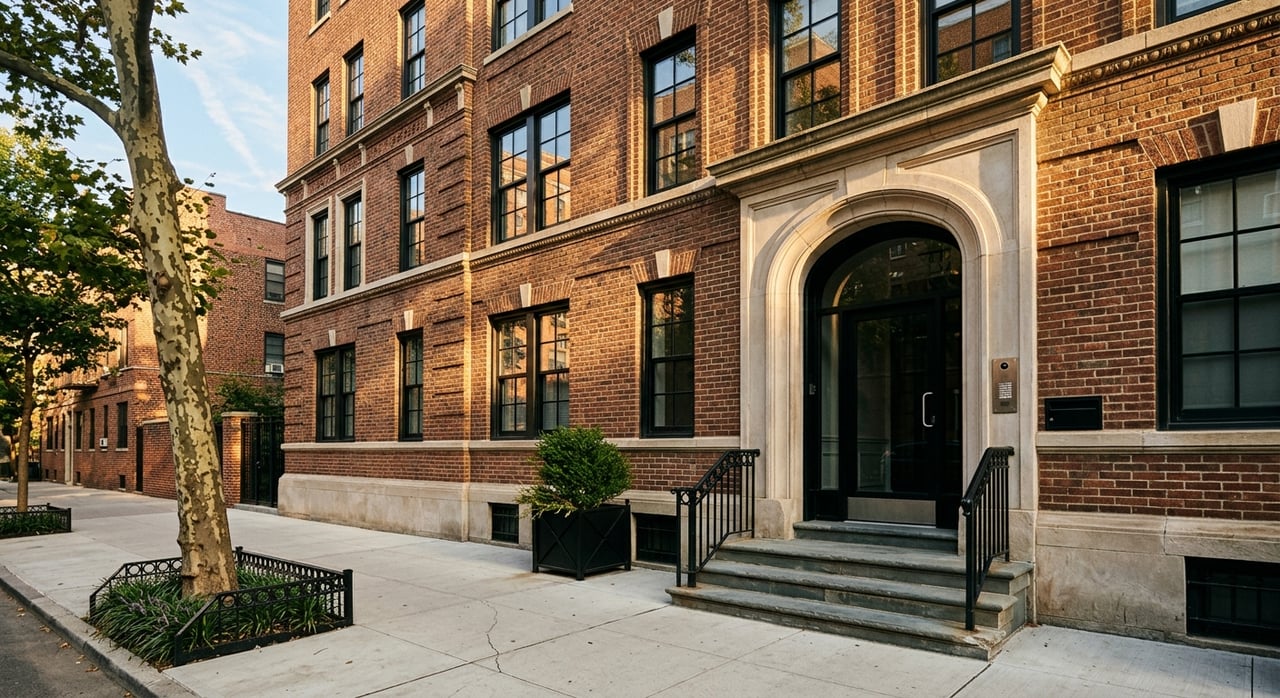
Gramercy often appeals to buyers who want a calmer version of downtown Manhattan. The neighborhood is known for tree-lined blocks, historic architecture, and a more settled feel than some nearby areas.
StreetEasy describes Gramercy as quiet and laid-back, and the Landmarks Preservation Commission has characterized the historic district as a serene square surrounded by 19th-century buildings and greenery. In practical terms, that can mean a more peaceful streetscape and a more classic Manhattan look.
What the housing stock looks like in Gramercy
Gramercy includes a mix of one- and two-family buildings, mixed residential and commercial buildings, and multifamily elevator and walk-up buildings. Commercial activity is more concentrated along First and Second Avenues, which helps explain why some blocks feel especially residential.
For first-time buyers, another key point is building type. StreetEasy notes that many buildings in Gramercy are doorman buildings, which may appeal to buyers who want more services or a more turnkey experience.
East Village living: energetic and more eclectic
The East Village offers a different kind of downtown experience. It is generally lower-rise, more animated, and more shaped by active storefronts, restaurants, and everyday neighborhood movement.
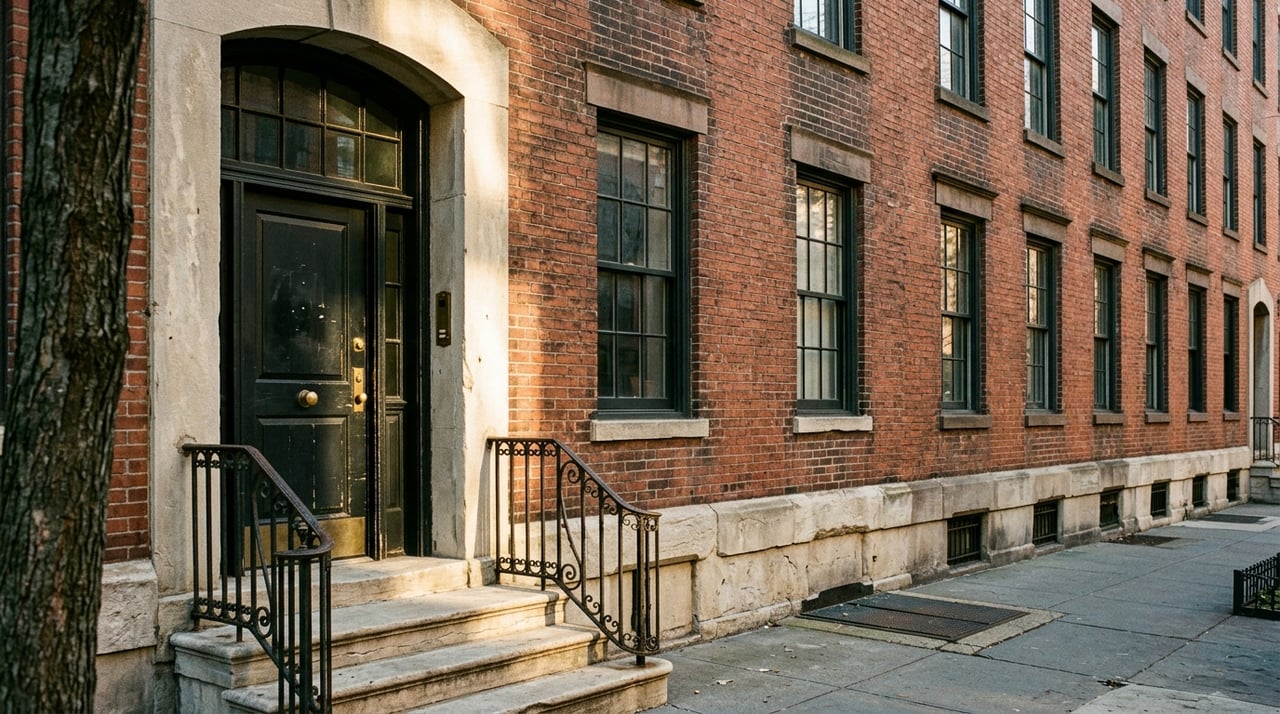
According to the city’s neighborhood analysis, East Village and Alphabet City are largely residential, with many buildings in the four- to six-story range. The area includes walk-ups, lofts, and single-family townhomes, with ground-floor businesses concentrated along Avenue C and Avenue D.
What the housing stock looks like in East Village
StreetEasy describes much of the East Village housing stock as prewar, with many smaller walk-up buildings that often need updates. That matters if you are deciding between move-in-ready convenience and the chance to buy something with room for improvement.
For some first-time buyers, that mix can create opportunity. A charming prewar walk-up may come with more character and a lower entry point than a full-service building, but it may also require more flexibility around condition and future upgrades.
Green space feels different in each neighborhood
Green space is part of the lifestyle equation, but these two neighborhoods offer it in very different ways. Gramercy is associated with one of Manhattan’s most recognizable green spaces, while the East Village offers more broadly accessible public options.
Gramercy and the private-park feel
Gramercy Park is a major part of the neighborhood identity, but it is not a public park. The NYC Independent Budget Office says it is private and fenced, with keys available only to residents of certain surrounding buildings, and the Landmarks Preservation Commission identifies it as the city’s only privately maintained park.
Beyond Gramercy Park, the city’s environmental review lists Augustus St. Gaudens Playground and Peter’s Field as neighborhood open-space resources. So while the area has greenery, the signature amenity is more about exclusivity and atmosphere than broad public access.
East Village and public open space
The East Village offers a more public, everyday version of outdoor space. NYC Parks identifies Tompkins Square Park as a 10.5-acre neighborhood park, and the city’s environmental review also notes community gardens managed by neighborhood residents.
The same city review points to access to East River Park via the Houston Street overpass and the East 6th Street and East 10th Street bridges. If you want outdoor space that is easier to use as part of your daily routine, the East Village has a clear advantage.
Dining and street life can shape your decision
For many first-time Manhattan buyers, the neighborhood’s daily rhythm matters almost as much as the apartment itself. Where you grab dinner, meet friends, or spend a free evening can strongly influence whether a place feels like home.
Gramercy dining: more polished, more sit-down
Gramercy’s dining scene tends to skew more refined and sit-down oriented. Eater notes that the broader Gramercy and Flatiron area includes a wide range of restaurants, including Italian, Indian, and French steakhouse options.
StreetEasy also points to many sought-after restaurants and bars in the area. If you picture evenings in a neighborhood with a polished feel and a somewhat calmer pace, Gramercy may line up with that lifestyle.
East Village dining: broader and more lively
The East Village is one of Manhattan’s most eclectic dining neighborhoods. Eater describes it as one of the city’s most dynamic restaurant areas, with cuisines that range from Mexican and South American to Korean, Tibetan, Philippine, Thai, Italian, and Chinese.
StreetEasy adds that the neighborhood’s bars and restaurants are generally lively and more budget-friendly. For buyers who want variety, spontaneity, and a lot of local activity right outside the door, that can be a major plus.
What prices suggest for first-time buyers
Price is often where this decision becomes more concrete. While current listing prices are fairly close, closed-sale data shows a wider gap between the two neighborhoods.
Realtor.com’s March 2026 snapshot puts the median listing price at $1,248,750 in Gramercy Park and $1,149,000 in East Village. Redfin reports median sale prices of $1.23 million in Gramercy and $815,000 in East Village, which suggests the East Village may offer a lower neighborhood-wide sale-price floor.
Buyer’s market conditions in both neighborhoods
Realtor.com classifies both neighborhoods as buyer’s markets. The same snapshot says homes in Gramercy Park sell at about asking on average, while East Village homes sell at about 3% below asking.
That does not mean every listing is negotiable in the same way, but it does suggest that buyers in both neighborhoods may have room to compare options carefully. For a first-time buyer, that makes preparation and building-specific analysis even more important.
Co-op vs. condo may matter most
One of the most useful takeaways from the current data is that neighborhood alone does not tell the whole story. In both Gramercy and the East Village, the difference between a co-op and a condo can affect your budget just as much as the address itself.
PropertyShark’s latest breakdown shows Gramercy condos around $1.6 million and co-ops around $712,000. In the East Village, condos are around $1.5 million and co-ops around $764,000.
Why this matters for your search
If you are buying your first Manhattan home, it helps to compare homes by property type, building condition, and monthly carrying costs, not just by neighborhood name. A co-op in Gramercy may be more attainable than you expected, while a condo in the East Village may still land at a premium.
This is also where first-time buyers can get tripped up. A lower-priced apartment that needs updates may look appealing at first, but the real fit depends on renovation tolerance, building rules, and your comfort with total monthly costs.
Which neighborhood fits your lifestyle?
The best choice depends on how you want your first Manhattan chapter to feel. Both neighborhoods can work well, but they serve different priorities.
Gramercy may fit you better if you want:
- Quieter blocks and a more residential feel
- Historic architecture and a classic Manhattan look
- More doorman-building options
- A polished dining scene
- A neighborhood identity shaped by greenery and calm streets
East Village may fit you better if you want:
- More street energy and neighborhood activity
- Lower-rise buildings and more prewar walk-ups
- Broad public green space access
- A wider range of dining options
- A lower neighborhood-wide median sale price based on current data
A smart way to compare both
If you are torn between Gramercy and the East Village, the smartest move is to compare specific listings through the lens of your real daily life. Think about your budget, preferred building style, tolerance for updates, and whether you want quiet or energy outside your front door.
For many first-time buyers, this is not really a battle between two neighborhoods. It is a decision about lifestyle fit, building type, and how you want your money to work in Manhattan from day one.
If you want help narrowing the options and comparing real opportunities in both neighborhoods, Joe Gonzalez can help you find a first Manhattan home that fits your goals and your lifestyle.
FAQs
What is the main lifestyle difference between Gramercy and East Village for first-time buyers?
- Gramercy generally feels quieter, more residential, and more formal, while the East Village tends to feel more energetic, lower-rise, and more commercially active at street level.
What types of homes are common in Gramercy for Manhattan buyers?
- Gramercy includes mixed residential and commercial buildings, one- and two-family buildings, and multifamily elevator and walk-up buildings, with many doorman buildings noted in the area.
What types of homes are common in East Village for first-time buyers?
- The East Village includes many four- to six-story buildings, walk-ups, lofts, and some townhomes, with much of the housing stock described as prewar and often in smaller buildings.
How do Gramercy and East Village compare on green space access?
- Gramercy is known for private Gramercy Park and also has nearby open-space resources like Augustus St. Gaudens Playground and Peter’s Field, while the East Village offers public options such as Tompkins Square Park, community gardens, and access routes to East River Park.
How do home prices compare between Gramercy and East Village?
- Current data in the research report shows Gramercy with a higher median sale price than East Village, even though median listing prices are relatively close.
Why should Manhattan buyers compare co-ops and condos separately in these neighborhoods?
- Property type can change affordability significantly, with current data showing notable price differences between co-ops and condos in both Gramercy and the East Village.