Buying in Gramercy Park and wondering if a co-op or condo is the smarter move? You’re not alone. In this neighborhood, the choice affects everything from your timeline to your monthly budget and your flexibility to rent. In this guide, you’ll learn the real differences in ownership, approval process, financing, and resale so you can move forward with confidence. Let’s dive in.
Ownership basics: how they differ
When you buy a condo, you receive a deed to your unit. You own real property plus an undivided share of the building’s common areas. Your rights and obligations are spelled out in a declaration and bylaws.
When you buy into a co-op, you purchase shares in a corporation that owns the building and receive a proprietary lease for your apartment. You own personal property in the form of shares, not the real estate itself. Your rights and obligations live in the proprietary lease, bylaws, and house rules.
Why this matters in Gramercy:
- A condo sale transfers title to real property. A co-op sale transfers corporate shares and assigns a lease. That affects closing mechanics, taxes, and financing.
- New developments provide formal disclosure through an offering plan. In New York, offering plans are overseen by the New York State Attorney General’s Real Estate Finance Bureau.
The approval process and timeline
Co-ops: boards and interviews
Most Gramercy co-ops require a detailed board package. Expect to submit financial statements, tax returns, bank statements, and reference letters. Many buildings also hold a board interview. Boards can deny within their bylaws, which is why preparation matters.
Condos: simpler transfers
Condo boards usually collect buyer information for records and compliance. They typically do not interview or deny a financially qualified buyer in a straightforward resale. This is a key reason condos often close faster.
Timing and paperwork
- Co-ops can take longer due to board cycles and package review. Plan your move with that timeline in mind.
- Condos are often more predictable. You still review building financials, minutes, house rules, and any offering plan or amendments.
Closing costs and fees
- Condos: Closings follow real property norms. Title insurance is common.
- Co-ops: You are buying shares, so title insurance is not the same. Expect legal fees, lender fees for share loans, and building charges. Many co-ops have a flip tax or transfer fee. Always verify policy in the building documents.
Financing, down payments, and monthly costs
Loans and underwriting
- Condos: Mortgages are underwritten like other residential loans. Lenders focus on your credit, income, debt-to-income ratio, and loan-to-value. See the Consumer Financial Protection Bureau’s homebuying resources for a clear overview of the process.
- Co-ops: Lenders provide share loans secured by your stock and proprietary lease. In addition to lender standards, the co-op board may require a minimum down payment, post-closing liquidity, and specific debt-to-income thresholds.
Down payments
- Many co-ops expect 20 to 25 percent down or more. Some require higher.
- Condos may allow lower down payment products, subject to program rules.
What your monthly payment covers
- Condo owners pay common charges for building operations and reserves, plus property taxes directly to the city. You can view tax information through the NYC Department of Finance.
- Co-op shareholders pay monthly maintenance that typically includes the building’s property taxes and any underlying mortgage, plus operating expenses.
Taxes and deductions
Tax treatment can differ for co-ops and condos. Shareholders receive an annual statement from the co-op that can affect how deductions are reported. For general homeowner guidance, review the IRS resources for homeowners and consult a local tax professional for your specific situation.
Resale, rentals, and investor considerations
Buyer pool and liquidity
- Co-ops have smaller buyer pools due to board approval and financial criteria. That can mean longer marketing times.
- Condos appeal to a wider audience, including investors and some international buyers, which often improves liquidity and can support higher price per square foot in similar properties.
Sublets and rentals
- Co-ops commonly restrict subletting. Some allow it after a holding period and with board approval.
- Condos are generally more flexible, though building rules and New York City law apply. Many buildings restrict short-term rentals, so confirm the house rules before you buy.
Flip taxes and transfer fees
- Co-ops often have flip taxes paid by the seller, buyer, or split. Terms vary by building.
- Condos may charge transfer fees or working capital contributions, but policies are less standardized. Always check the governing documents.
Gramercy reality check
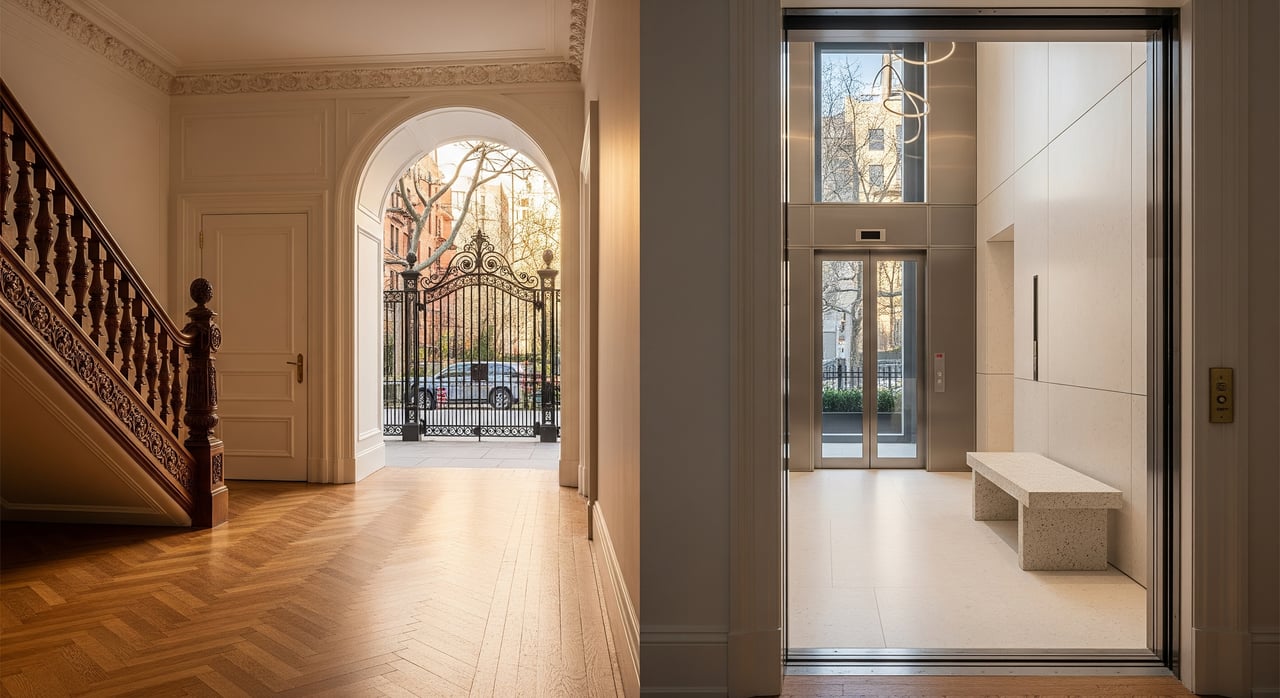
Gramercy features prewar co-ops, classic brownstones, and a selection of boutique condos. If you want classic details and community stability, a co-op may fit. If you want more rental flexibility or faster resales, a condo may suit you better. Building quality, amenities, proximity to Gramercy Park, and board policies all influence value and days on market.
Which is right for you?
Consider these quick scenarios:
- You want to keep rental options open later: A condo’s flexibility is a plus.
- You value classic architecture and potential value per square foot: A co-op could be compelling.
- You are time sensitive on closing: A condo may offer a more predictable path.
- You plan to hold long term and prioritize stable operating costs: A well-run co-op with strong reserves can be attractive.
Your best move is to align the building type with your lifestyle needs and your financial plan.
A step-by-step game plan
Get pre-approved early. Speak with a lender who understands both condo mortgages and co-op share loans. The CFPB homebuying guide is a helpful primer.
Clarify your must-haves. Think location, building type, rules, amenities, and timeline.
Request building documents upfront. For co-ops, that includes the proprietary lease, bylaws, recent financials, minutes, house rules, and flip tax policy. For condos, get the declaration, bylaws, recent financials, minutes, house rules, and the offering plan if applicable. Offering plans in New York are regulated by the Attorney General’s Real Estate Finance Bureau.
Review taxes and assessments. Confirm current taxes via the NYC Department of Finance. Ask about reserves, planned capital projects, and any upcoming assessments.
Line up your attorney. Work with a New York City real estate attorney experienced in co-op and condo transactions.
Understand your closing timeline. Build in time for co-op board approval if needed.
Verify ownership and records. For background research and recorded documents, you can search public records on ACRIS.
What to review before you offer
For co-ops
- Proprietary lease and bylaws
- Last 2 to 3 years of audited financials and current budget
- Board minutes for 12 to 24 months
- House rules, sublet policy, flip tax policy
- Underlying mortgage details and recent assessment history
- Insurance certificate and certificate of occupancy
For condos
- Declaration and bylaws
- Offering plan and amendments if applicable
- Budget, reserves, and recent financials
- Minutes, house rules, and any litigation disclosures
- Master insurance policy and certificate of occupancy
Smart questions to ask the building or agent
- What are the sublet and pet policies?
- Are there upcoming capital projects or assessments?
- How much is in reserves and what percent of the budget is reserved annually?
- Is there any ongoing or threatened litigation?
- What are policies on investors, foreign buyers, or LLC purchasers?
- For co-ops, what is the typical board review timeline and required post-closing liquidity?
For sellers in Gramercy
- Prepare a complete document packet early. Buyers will ask for minutes, financials, and rules.
- Confirm flip tax and transfer fee obligations so you can price and negotiate with clarity.
- Disclose known building issues and recent assessments to avoid delays later.
- Discuss marketing strategy tied to your building type. Co-ops may require additional buyer education and screening before an accepted offer.
The bottom line for Gramercy buyers
Both co-ops and condos can be excellent options in Gramercy Park. Your choice hinges on how you balance flexibility, timeline, and budget. Co-ops can offer value and community with more qualification and process. Condos can offer flexibility and broader resale appeal with potentially higher upfront prices and closing costs. With the right plan, either path can work well.
If you want a local strategy session tailored to the buildings you are considering, reach out. Let’s map the process, gather the right documents, and set a smart timeline.
FAQs
What is the core difference between a co-op and a condo in NYC?
- A condo gives you a deed to real property, while a co-op gives you shares in a corporation and a proprietary lease to your apartment.
How long does a typical Gramercy co-op approval take?
- It varies by building, but co-ops often take longer than condos due to board package review and interview schedules.
Are co-ops usually cheaper than condos in Gramercy?
- Often co-ops sell for less per square foot, but building quality, amenities, location, and policies can reverse that pattern.
Can I rent out my apartment after buying?
- Condos are generally more flexible for rentals, while co-ops often limit subletting or require a holding period and board approval.
What closing costs should I expect for a condo vs a co-op?
- Condos typically include title insurance and real property transfer costs; co-ops involve share loan fees, legal fees, and often a flip tax or transfer charge set by the building.
Where can I verify taxes and recorded documents for a Manhattan property?
- Use the NYC Department of Finance for taxes and assessments, and ACRIS for property records and recorded documents.