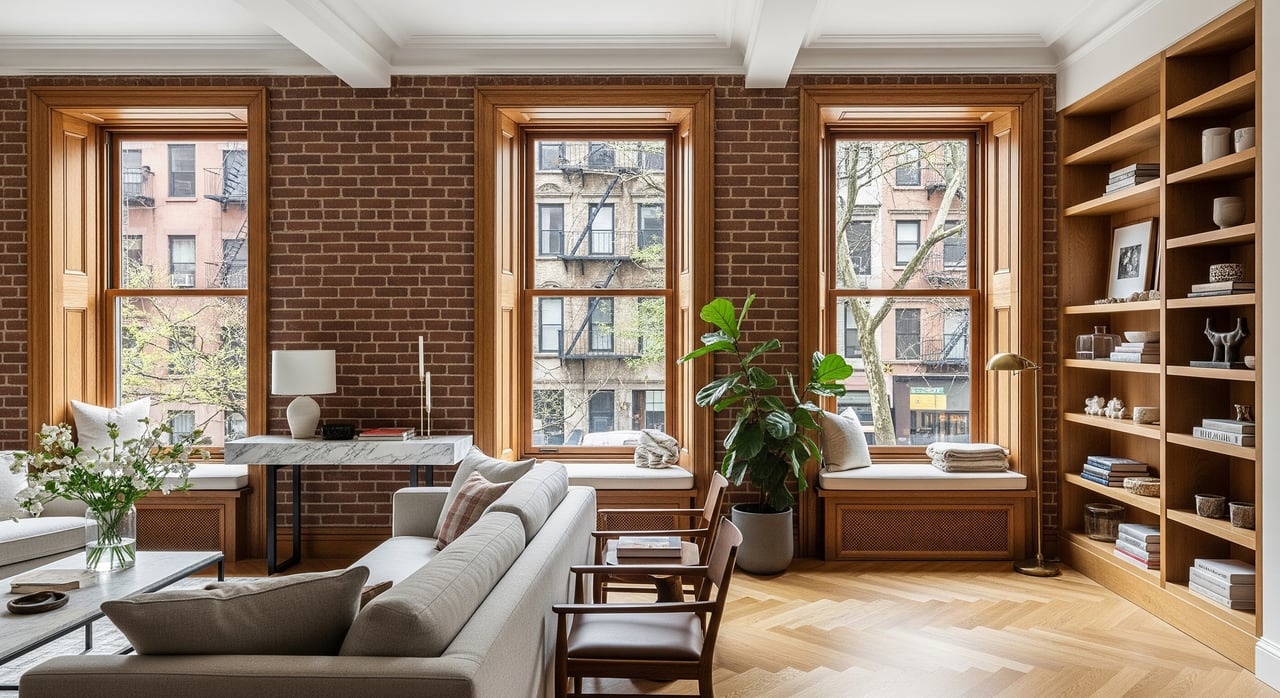
Eyeing a brand-new East Village condo or a co-op conversion owned by the developer? Sponsor units can be a smart path to modern finishes, faster timelines, and sometimes incentives, but they come with unique rules and extra paperwork. You want clarity on what to review, how the process works, and which pitfalls to avoid. This guide breaks it down in simple steps so you can move forward with confidence. Let’s dive in.
What is a sponsor unit
A sponsor unit is a home sold directly by a building’s developer or sponsor. You will see sponsor units in both new construction and rental-to-condo or co-op conversions. In a condo, you receive a deed. In a co-op, you buy shares and a proprietary lease.
Buying from a sponsor is not the same as a resale. The offering plan, disclosures, approvals, and timing can all differ, so your approach should too.
Why buyers choose sponsor units
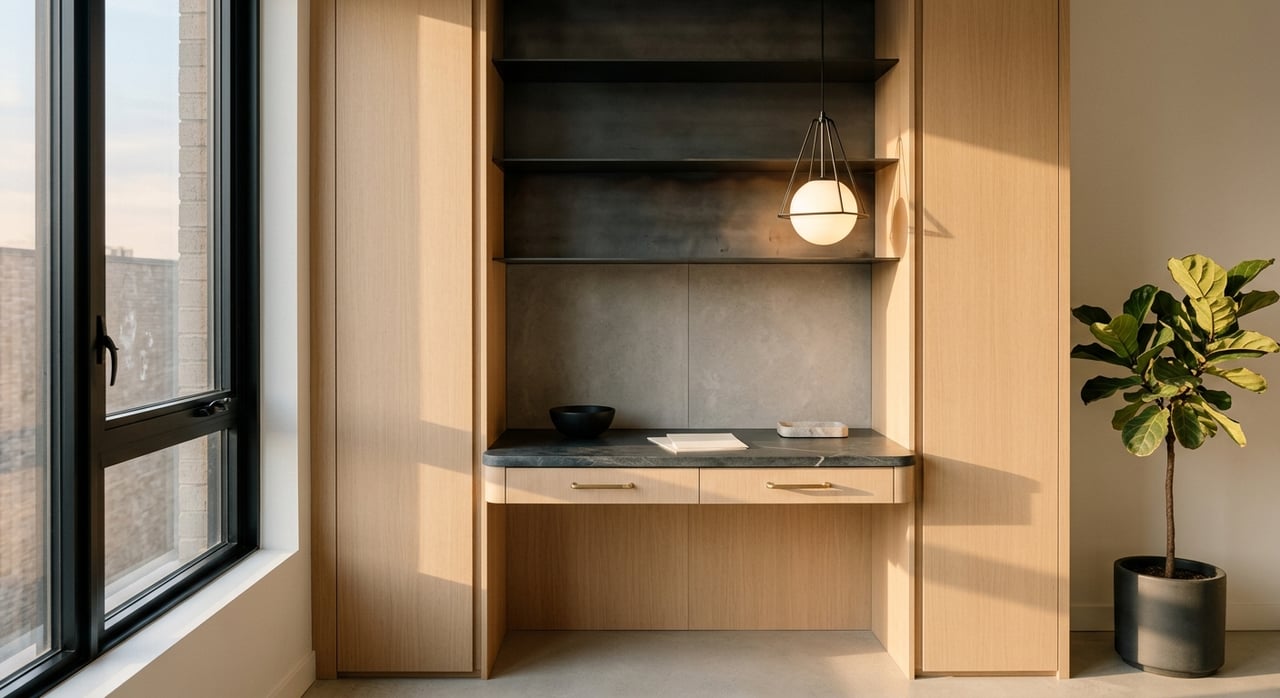
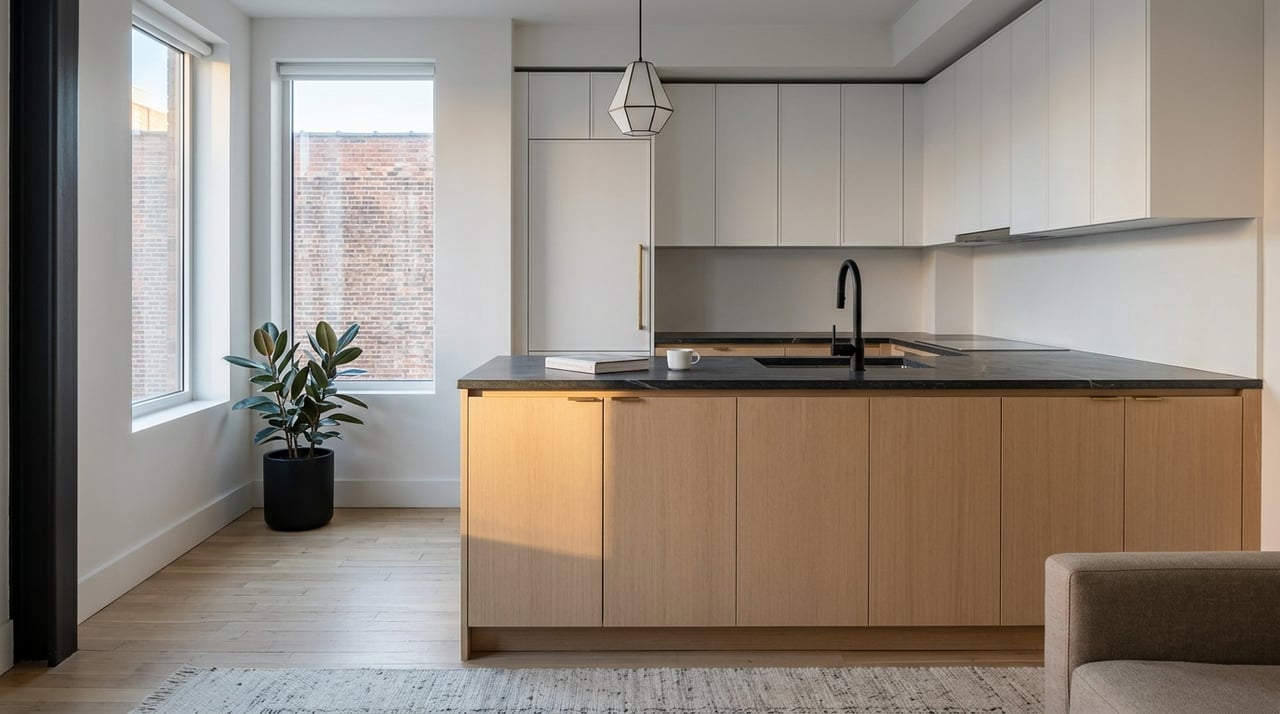
Sponsor units often feature newer finishes and modern layouts. Sponsors may offer upgrades or closing cost help, especially in early release phases. Some buyers like the chance to customize before closing.
There are trade-offs. Construction timelines can shift, building financials may be less stable early on, and the sponsor can control governance until sellout. Weigh the benefits against the stage of the project and your timeline.
East Village context
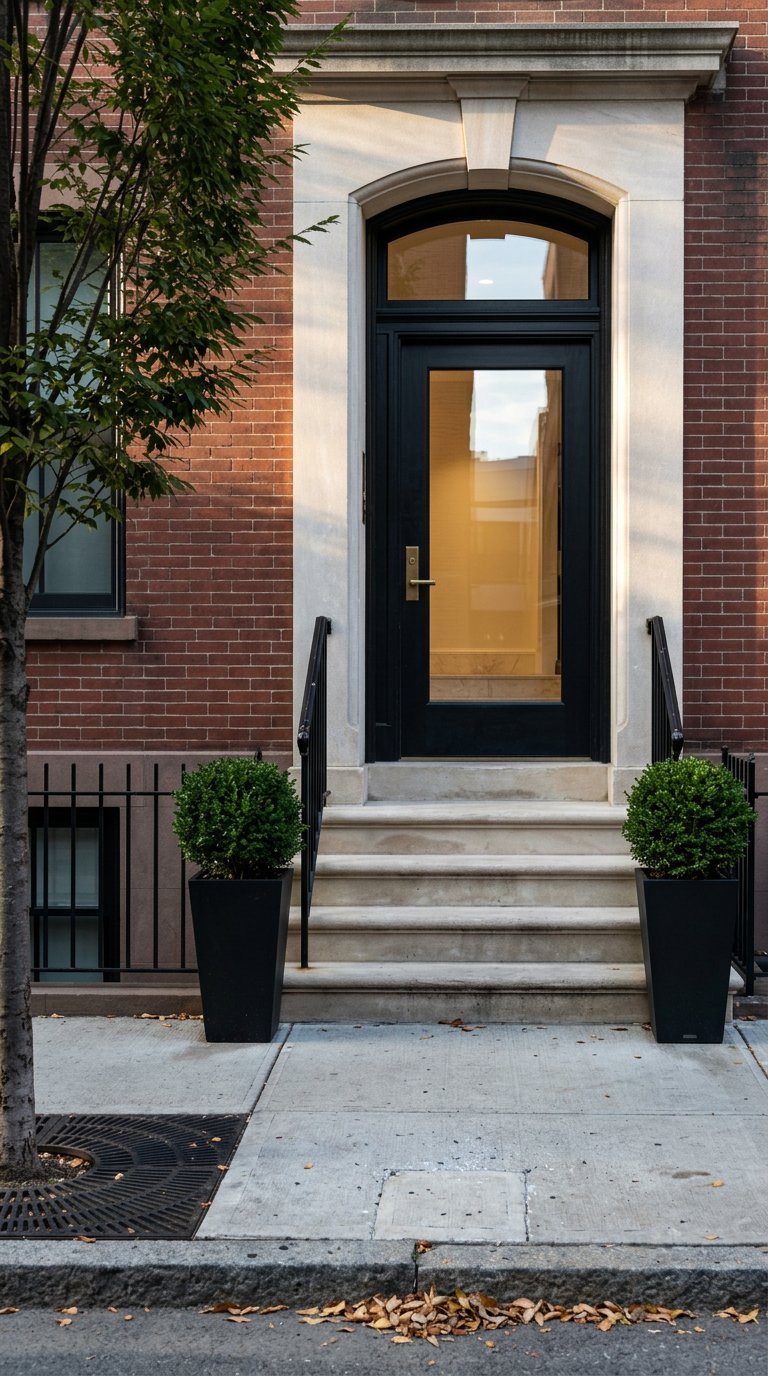
The East Village mixes prewar walk-ups, tenement-era buildings, postwar mid-rises, and newer boutique developments. Sponsor opportunities can appear in ground-up builds and conversions. Many buildings include mixed-use components or rent-regulated tenants, which must be disclosed in conversions.
Lifestyle amenities, dining, transit access, and a vibrant nightlife scene shape demand and resale potential. As you evaluate a sponsor unit, factor in the block, nearby construction, and any noise or use variances that show up in city records.
Your due diligence checklist
Do not skip the paperwork. Your attorney should dig into the sponsor’s filings, and you should understand what you are buying.
Documents to review
- Offering plan and all amendments, including any unit addendum.
- Floor plan and square-footage methodology.
- Certificate of Occupancy or Temporary C of O.
- Building financials and projected budget, including common charges or maintenance and reserves.
- Rent roll and leases if it is a conversion with existing tenants.
- Construction and management contracts, warranties, and insurance summaries.
- List of any assessments or anticipated capital improvements.
- Governance documents, bylaws, proprietary lease, or condo declaration.
- Pending litigation, mechanic’s liens, or construction disputes.
- Department of Buildings permits, open violations, and complaint history.
- Zoning and easements that affect use.
- Survey or site plan if available.
- Interim occupancy terms if you can move in before closing.
Inspections and third-party checks
- Hire a New York City building inspector or architect with multi-family and new-construction experience.
- Order a title search and title insurance for condos. For co-ops, have your attorney review the sponsor’s corporate title history.
- Confirm lender appraisal and any condo or co-op reviews required by your bank.
- Check violation and complaint history with city agencies, including housing and buildings departments.
- Consider environmental checks if the site had older uses.
Financing and costs
Sponsor deals can attract mainstream lenders, but underwriting is often strict. Expect your lender to review the offering plan, budgets, and sellout status, especially in conversions.
Financing basics
- Condo buyers usually skip a formal board interview, but lenders still review building health.
- Co-op buyers submit a full board package and often interview. Timing can be faster if the sponsor can streamline approvals.
- Down payment terms vary by lender and building. Plan for conservative underwriting and thorough documentation.
Closing costs to plan for
- Purchase price and your attorney’s fees. A New York attorney with offering-plan experience is essential.
- Mortgage costs, including application, appraisal, lender attorney, and mortgage recording tax where applicable.
- For condos, title insurance and recording fees.
- For co-ops, building transfer fees, share transfer costs, and any flip tax if applicable at resale per building rules.
- State and city transfer taxes. Confirm what applies to your deal structure.
- Interim occupancy fees if you move in before closing.
- Move-in fees, elevator deposits, and building security deposits.
- Ongoing common charges for condos or maintenance for co-ops, plus any special assessments.
Timeline from offer to keys
Every sponsor runs a different playbook, but this is a useful frame.
- Offer to contract: a few days to a few weeks.
- Attorney review of the offering plan and contract: 1 to 4 weeks.
- Mortgage commitment: 30 to 45 days, sometimes longer due to building review.
- Co-op board approval: typically 4 to 8 weeks after a complete submission and interview.
- Closing: similar to resales once approvals and financing are set, but delays can occur with C of O, punch-list items, or lender timing.
Protections, negotiations, and pitfalls
Read the offering plan and contract closely. Your attorney will help you confirm what the sponsor must deliver before you close.
Buyer protections to confirm
- Completion obligations for common areas and amenities.
- Escrows or guarantees to cover unfinished items.
- Appliance, systems, and structural warranties, including transferability.
- Any rescission rights allowed in the plan or required by law.
Negotiation levers
- Price, credits toward closing costs, or interest-rate buydowns.
- Finish upgrades or allowances.
- Warranty extensions or escrow for punch-list items.
- Faster approval timelines in sponsor-controlled buildings.
- Flexible interim occupancy terms or reduced fees.
Red flags in NYC sponsor deals
- Missing or outdated offering-plan amendments.
- Open violations, unresolved permits, or a shaky C of O or T C of O.
- Undisclosed rent-regulated tenants in conversions.
- Sponsor control over the board that could affect policy and finances.
- Thin reserves or large planned capital projects early in a building’s life.
- Litigation or mechanic’s liens tied to construction.
- Square-footage disputes due to measurement standards.
- Pressure to sign before a full legal review.
East Village checks that matter
- Review the block for nightlife or commercial uses that could affect day-to-day living.
- Ask about recent or planned facade, roof, or structural work that may trigger assessments.
- Scan nearby development and construction that might impact livability or future value.
- Confirm disclosure of any protected tenants if it is a conversion building.
Who you need on your team
- A New York real estate attorney with offering-plan expertise.
- A mortgage lender or broker who understands condos, co-ops, and sponsor underwriting.
- A licensed NYC inspector or architect experienced in multi-family and conversions.
- A local buyer’s agent with East Village and sponsor-sale experience.
- A CPA or tax advisor for transfer tax and structuring guidance, especially for investors.
How to compare sponsor units
Use a simple, apples-to-apples approach.
- Compare price per square foot and note how square footage is measured in the plan.
- Adjust for finish level, appliance packages, and included storage or outdoor space.
- Weigh monthly charges and expected reserves across buildings at a similar stage.
- Consider location details by block and proximity to amenities you value.
- Ask about sellout percentage, sponsor reputation, and any pending litigation.
Next steps
If a unit checks the big boxes, move into contract diligence quickly and carefully. Keep your attorney, lender, and inspector aligned on documents and timelines. Ask the sponsor for updates on C of O status and punch-list procedures so there are no surprises at closing.
Ready to explore real options in the East Village and compare sponsor units side by side? Reach out to Joe Gonzalez to set your search, review offering plans, and tour the right buildings. Let’s Connect.
FAQs
What is a sponsor unit in NYC
- A sponsor unit is a home sold directly by a building’s developer or sponsor in a condo or co-op, often tied to an offering plan with specific disclosures and obligations.
Do East Village sponsor units cost less
- Not always. Early releases can offer incentives, but pricing depends on finish level, location, demand, and what warranties or upgrades are included.
Do I need co-op board approval for a sponsor unit
- Yes for co-ops. You submit a board package and typically interview, although some sponsors can streamline timing. Condos usually do not require a formal interview.
What should I look for in the offering plan
- Review building budgets, schedules, disclosures on construction, governance, tenant status in conversions, and the sponsor’s completion obligations and warranties.
Can I finance a sponsor unit purchase
- Yes. Many lenders will finance, but they review the offering plan and building health. Expect conservative underwriting and extra documentation.
What happens if construction is delayed
- Your protections depend on the contract and offering plan. Sponsors often provide completion obligations or escrows, but delays can affect occupancy and closing.
Are warranties included with sponsor sales
- Many include limited warranties on appliances, systems, and construction for a set period. Confirm scope and transferability in your documents.