Torn between a classic prewar and a sleek new tower in Chelsea? You are not alone. The neighborhood’s mix of historic buildings and modern condos gives you real choices, which can also make the decision feel complex. In this guide, you will learn how these two styles differ in architecture, ownership, costs, and day-to-day living so you can choose with confidence. Let’s dive in.
Chelsea at a glance
Chelsea blends low-rise brownstones and prewar co-ops with modern glass condos, especially toward the Far West Side and around the High Line. You get world-class art galleries, Chelsea Market, waterfront parks and Chelsea Piers, and easy transit with strong walkability. Boundaries vary by source, so building-to-building differences can be dramatic even a few blocks apart. That variety drives demand for both prewar and new-development homes.
What “prewar” means in Chelsea
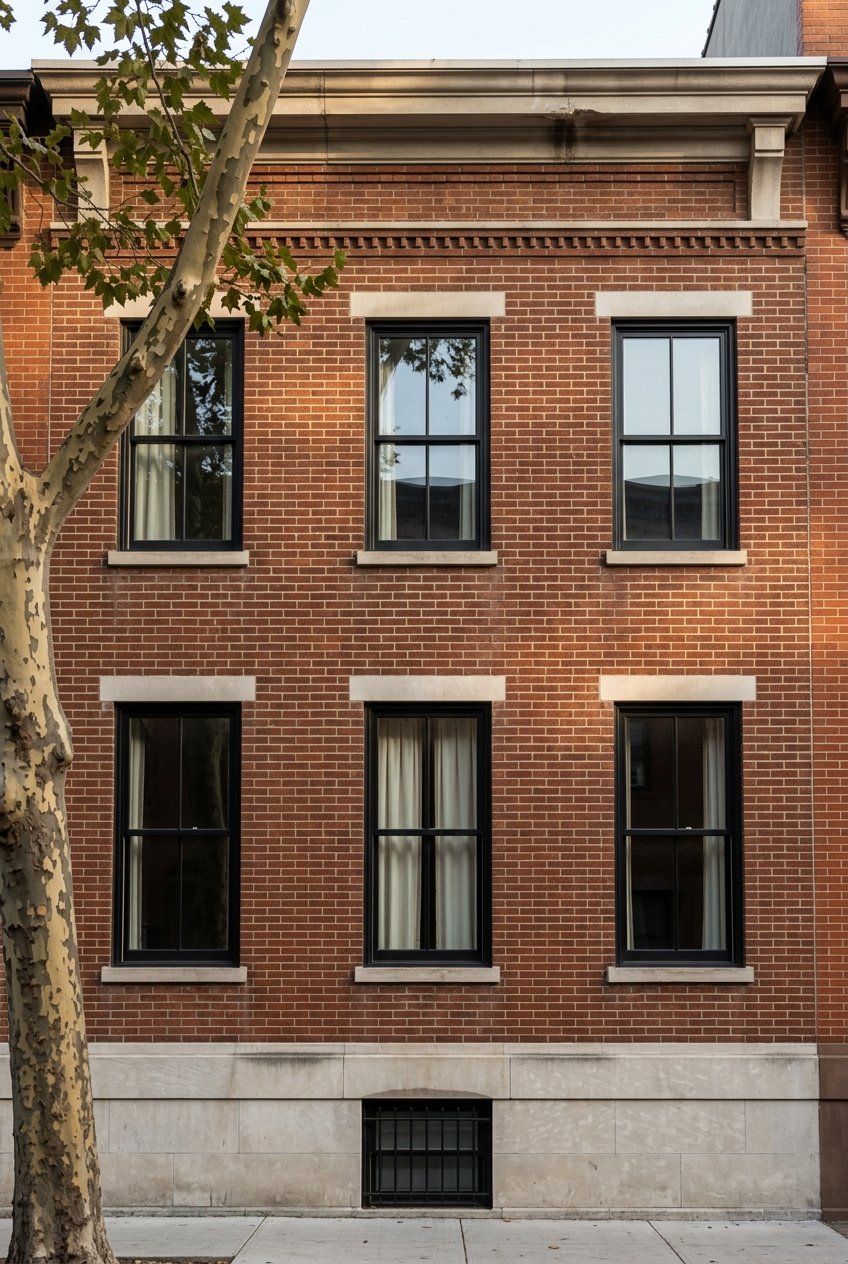
Prewar apartments in Chelsea were largely built from the late 1800s through the 1930s. Many are co-ops in masonry buildings, from walk-ups to elevator mid-rises.
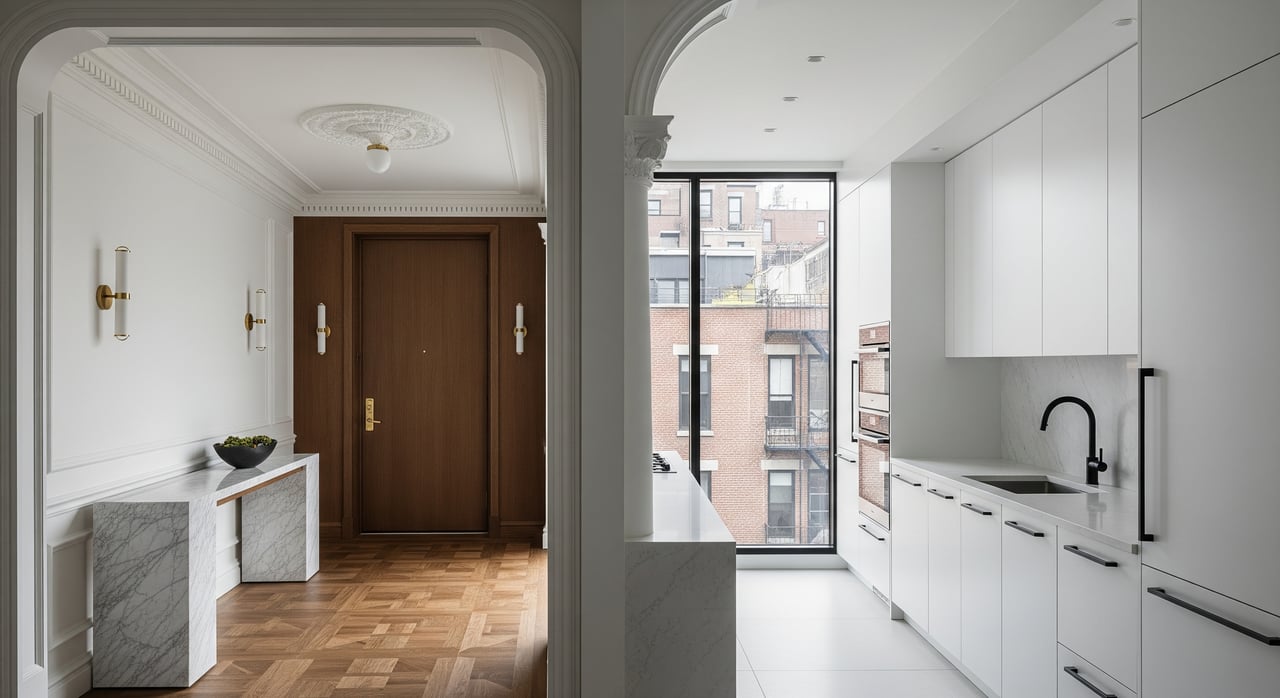
- Construction and feel: plaster walls, hardwood floors, original millwork and moldings, with solid, substantial character.
- Layouts: higher ceilings are common, along with formal entryways and more separated rooms like a distinct living room, dining room, and galley kitchen.
- Light and windows: sash windows with more modest glass area; deeper floor plates can mean less natural light in interior rooms.
- Systems: radiators are typical; some units were retrofitted with central air or upgraded electrical and plumbing.
- Amenities: ranges widely. Smaller buildings may have limited shared spaces, while certain prewar doorman buildings offer staffed entries and select amenities.
What you may love: character, ceiling height, millwork details, and a neighborhood feel that connects to Chelsea’s history.
What to consider: renovation needs, acoustic variability between units, and smaller or fewer building amenities.
What “new development” means in Chelsea
New development surged from the 1990s on, with many luxury condominiums near the High Line and the Far West 20s and 30s.
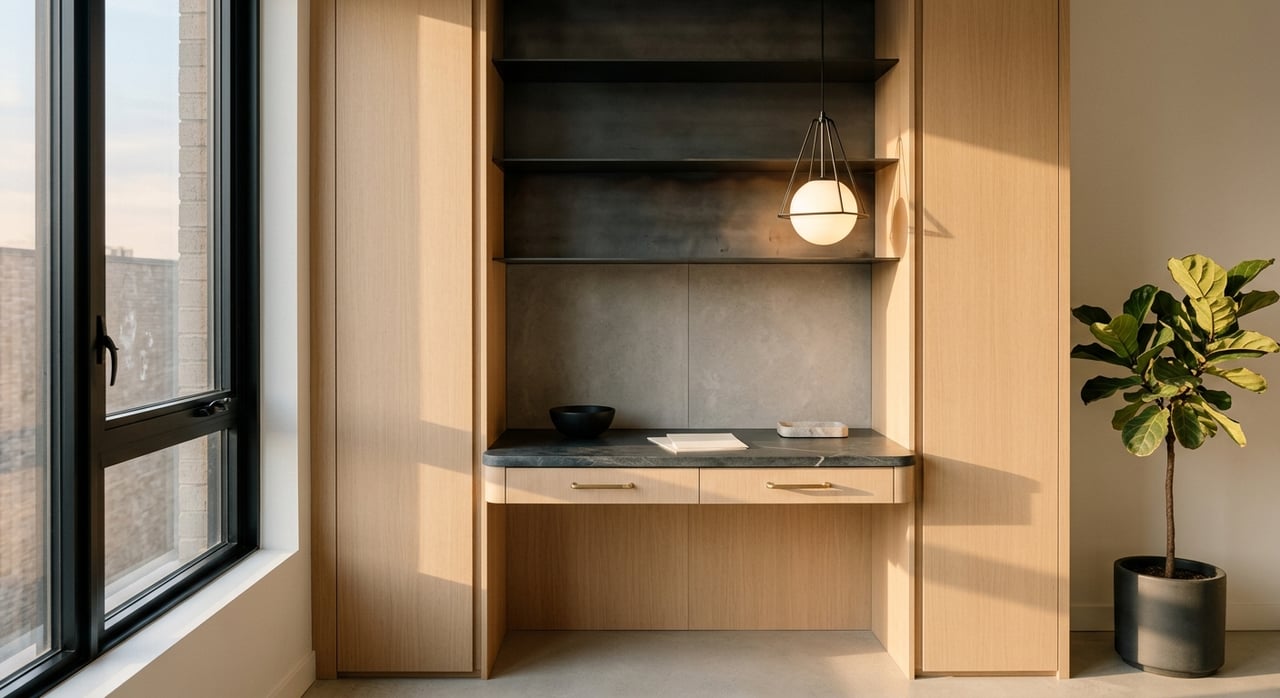
- Construction and feel: reinforced concrete and steel, modern insulation, and expansive glazing with floor-to-ceiling windows in many buildings.
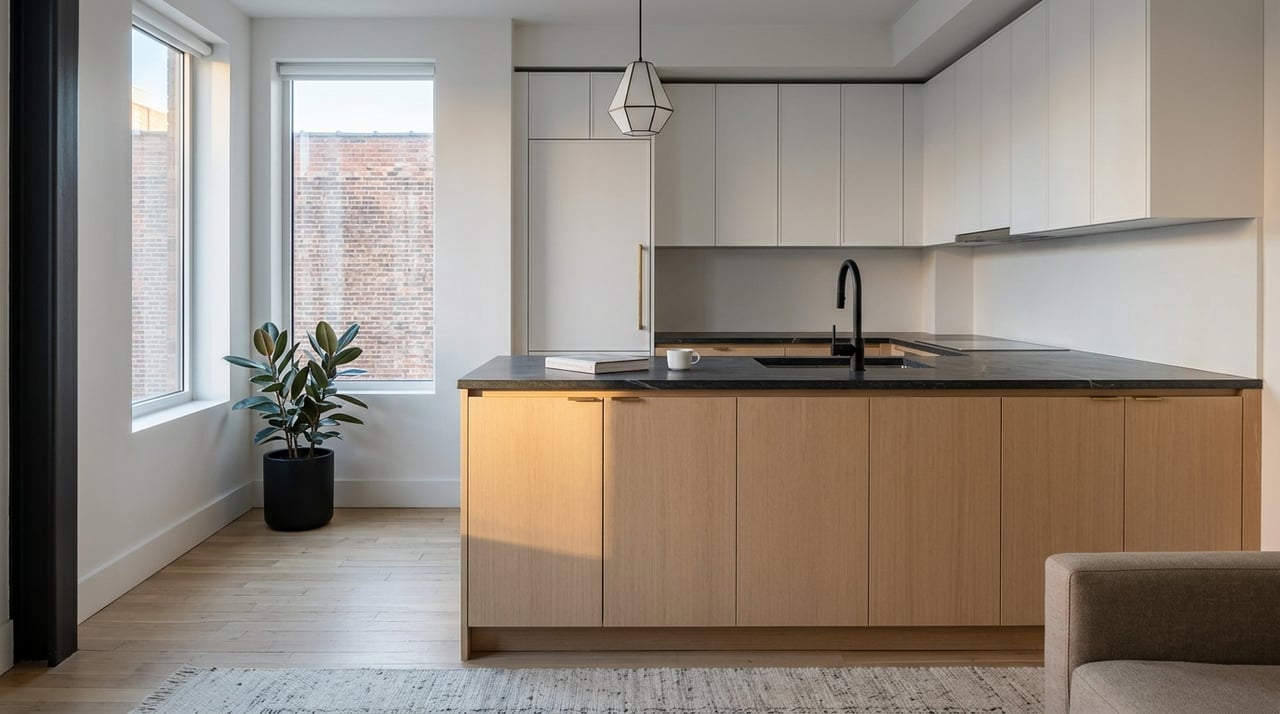
- Layouts: open plans with large great rooms and integrated kitchens; perceived height often feels generous due to glass and openness.
- Systems: integrated HVAC, updated electrical and plumbing, and modern elevators.
- Amenities: elevators, ADA-accessible features, package rooms, fitness centers, rooftops, concierge or doorman service, pet amenities, and in-building tech.
What you may love: turnkey living, larger windows and views, consistent acoustical design, and service-rich buildings.
What to consider: higher per-square-foot pricing in many cases and monthly charges that reflect amenity levels.
Co-op vs condo basics in Chelsea
Prewar buildings in Chelsea are often co-ops, while new developments are typically condos. The ownership form affects everything from financing to future flexibility.
Board approval and rules
- Co-op: you buy shares and receive a proprietary lease. Expect a detailed board package, interview, and building rules that can restrict subletting, renovations, and transfers.
- Condo: you receive a deed. Boards focus on building rules rather than individual approvals, which tends to streamline closings and allow more flexibility for rentals and resale.
Financing and down payments
- Co-op: many boards expect larger down payments. Minimums commonly start at 20 to 25 percent, and some buildings require 30 to 50 percent in certain situations. Lenders will factor board criteria into approvals.
- Condo: lenders often allow lower down payments, frequently in the 10 to 20 percent range. New developments may offer sponsor financing or temporary interest-rate incentives depending on the market.
Monthly charges and taxes
- Co-op: monthly maintenance covers building operations, property taxes passed through to shareholders, and any underlying mortgage.
- Condo: you pay monthly common charges for operations and pay property taxes directly. Newer buildings with many amenities can have higher carrying costs, though some offer tax abatements or preferred tax structures. Always review the specifics for a given building.
Resale and rental flexibility
- Co-op: commonly tighter sublet policies and limits on investor ownership, which suits many owner-occupants but can curb rental flexibility.
- Condo: typically more investor-friendly with simpler rental rules, though all policies depend on the building’s bylaws and offering plan.
Closing costs and fees
- Co-op: share transfers have a different fee structure and do not include mortgage recording tax for all-cash deals, but policies vary.
- Condo: deed transfers involve state and city transfer taxes and mortgage recording tax if financing. Sponsor sales can add specific fees in new development. Consult a local real-estate attorney for current guidance.
Everyday living trade-offs
Light and views
- Prewar: often smaller window openings with varied exposures, especially on narrower, tree-lined streets. Views depend on street width and surrounding building heights.
- New development: floor-to-ceiling glass is common in luxury towers, with improved city or river views in taller West Chelsea buildings.
Sound and privacy
- Prewar: acoustic performance varies. Renovated units may have better isolation; unrenovated ones can transmit more footfall or plumbing noise.
- New development: many include modern soundproofing with insulated partitions and staggered floors for better isolation.
Amenities and costs
- Prewar: fewer shared amenities can mean simpler monthly charges, but older systems may require capital projects.
- New development: full-service buildings add convenience and lifestyle value, with monthly fees that reflect gyms, rooftops, package rooms, and staff.
Energy efficiency
- Prewar: older windows and systems can impact operating costs. Weatherization and system upgrades are possible but require planning.
- New development: modern windows, HVAC, and insulation typically improve energy performance and comfort.
Renovation and maintenance realities
Prewar projects
- Expect kitchen and bath updates, electrical and plumbing upgrades, and possible layout changes. Co-op boards usually require approval for structural, plumbing, or electrical work. Review recent financial statements for signs of deferred maintenance or upcoming assessments.
New development expectations
- Turnkey finishes reduce immediate projects. You may have limited ability to alter layouts. New construction defects typically have warranty coverage for a defined period. Review reserve planning and any early building assessments.
Historic districts and exterior work
Parts of Chelsea include historic districts and landmarked buildings. Exterior alterations can require approval from the NYC Landmarks Preservation Commission. Interiors usually allow more flexibility, but always verify landmark status and building rules before planning any work.
How to choose your best fit
Use your priorities to drive the decision:
- You want character and ceiling height: lean prewar, especially if you enjoy renovation potential and co-op communities.
- You want light, views, and amenities: lean new development, particularly condos near the High Line and Far West Side.
- You want rental flexibility or a pied-à-terre: condos typically offer simpler policies for investors and second-home buyers.
- You want lower entry price per square foot: compare renovated vs unrenovated prewar options. New developments often price at a premium, but value varies by building and location.
Quick checklist:
- Ownership type: co-op vs condo rules and approvals.
- Carrying costs: maintenance or common charges plus taxes.
- Systems: HVAC, electrical, windows, elevators.
- Light and exposure: window size, floor height, surrounding buildings.
- Renovation scope: approvals, timeline, and budget.
- Resale plan: investor flexibility, building reputation, and amenities.
Tips for sellers in Chelsea
If you are selling a prewar
- Lead with character: highlight moldings, millwork, fireplaces, and ceiling height.
- Clarify upgrades: document electrical, plumbing, window replacements, and insulation for buyer confidence.
- Prepare the board package guidance: help buyers understand approvals and house rules early to keep deals smooth.
If you are selling a new development or recent condo
- Showcase lifestyle: emphasize light, views, and amenities like gyms, rooftops, and concierge service.
- Detail efficiency and systems: note HVAC, glazing, and tech integrations that reduce friction day to day.
- Explain carrying costs: position common charges and taxes in context of services and building quality.
Plan your next step with a local pro
Choosing between prewar charm and new-development convenience in Chelsea is easier when you can compare real listings, open houses, and ownership details side by side. With a live MLS feed, open-house schedules, a seller valuation tool, and neighborhood guides, Joe Gonzalez brings boutique service backed by Corcoran’s reach. Let’s connect to map your shortlist and move from browsing to closing with clarity.
FAQs
In Chelsea, is a prewar co-op harder to buy than a condo?
- Generally yes. Co-ops require a full board package, interview, and stricter rules, while condos typically close more simply with fewer approval hurdles.
Do Chelsea new developments always cost more per square foot?
- Often they command a premium for modern systems, finishes, views, and amenities, but pricing varies by building, layout, and location.
Which has lower monthly costs in Chelsea: prewar or new development?
- It depends. Older buildings may have simpler fees but higher operating needs, while luxury new buildings can carry higher charges to fund amenities.
Can I renovate a prewar apartment in Chelsea?
- Yes. Expect co-op approvals for structural, plumbing, or electrical changes, and plan for building rules and timelines.
Are there special financing differences between co-ops and condos in Chelsea?
- Yes. Co-ops often expect larger down payments and tighter rules, while condos generally allow lower down payments and more flexible financing.
Do Chelsea historic districts affect my renovation plans?
- Potentially. Exterior changes on landmarked buildings or in historic districts may require approval from the NYC Landmarks Preservation Commission.